Soboko
Date
30 Oct 2025
Duration
24 Hours
Role
Team Lead
Track/Theme
Smart Living
Organizer
V-Sign
My Interpretation
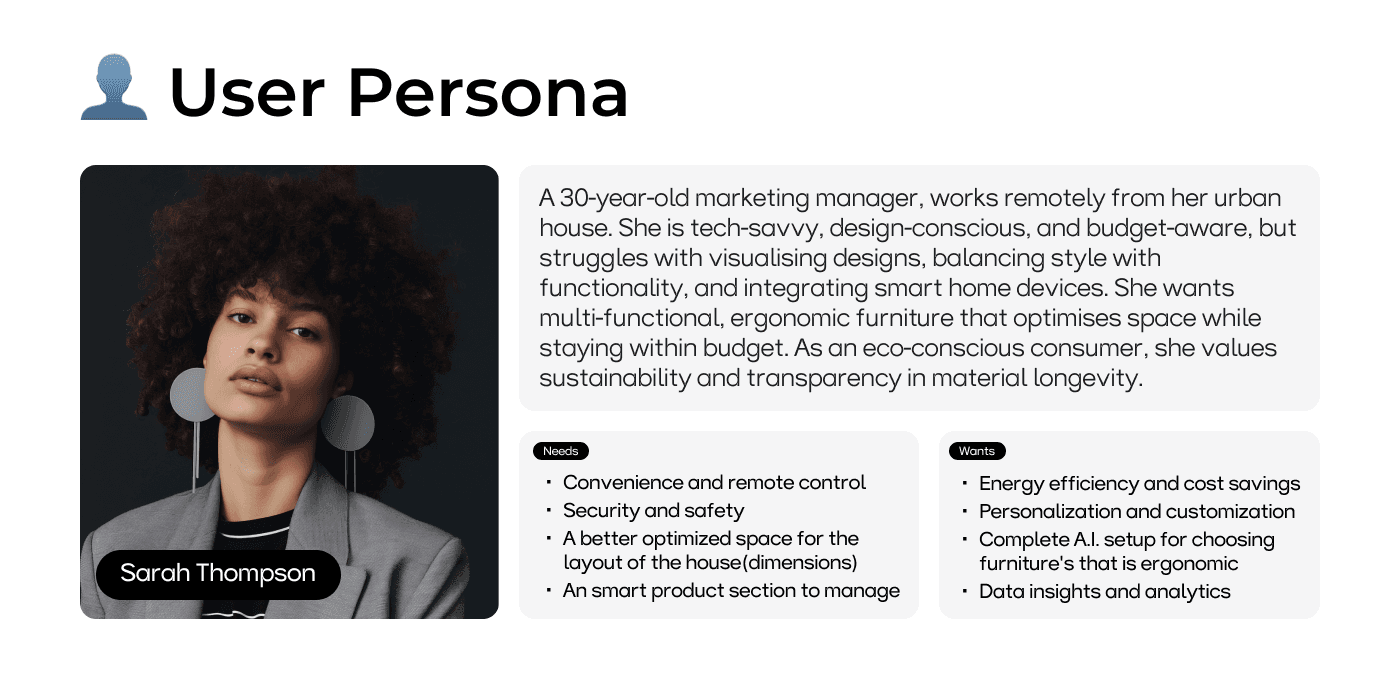
I saw Sarah as a representation of many modern urban users — ambitious yet constrained by small spaces. For me, the challenge wasn’t just to beautify interiors but to make smart, ergonomic, and emotionally comforting design accessible through AI and AR.
Key Constraints
We spent credits on fonts — Product Sans and Inter — and decided on a space-inspired theme with 3D visual elements.
36-hour time limit
Limited design credits (for fonts, 3D assets, and visuals purchased from an in-hack “marketplace”)
Single common problem statement for all teams
Focus on UI design, not full app development
Thought Process
As soon as the challenge was announced, I knew the only way to stand out was by combining research depth with clarity of execution. I focused our early hours on understanding why people like Sarah struggle — not just what to build.
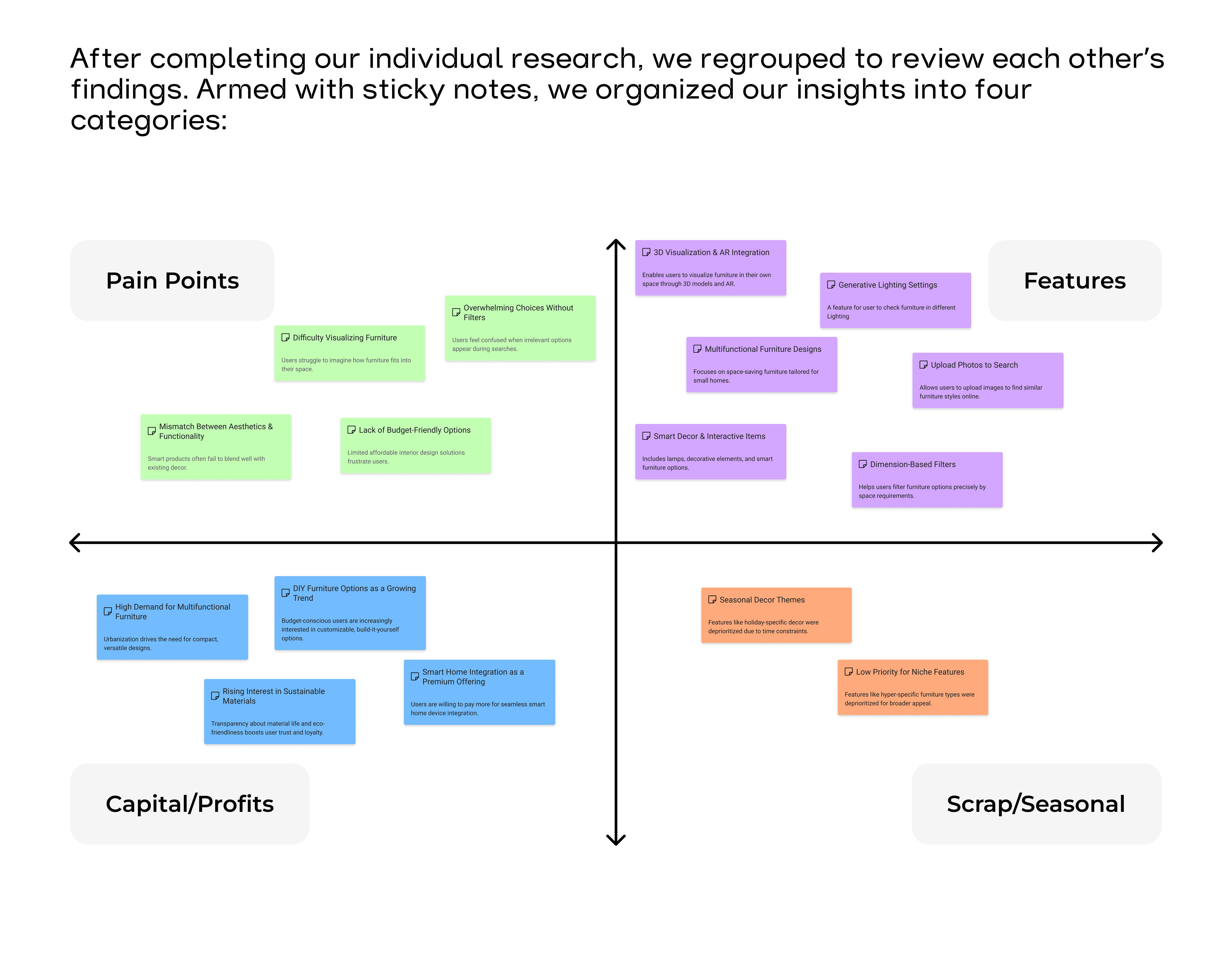
Team Strategy
We divided our work into specialized research streams:
I (Shailesh): Domain & market research – urbanization, furniture trends, AI adoption.
Ambuja: Small-space & tiny home studies – lighting, DIY customization, AR for interiors.
Aryan: Cultural aspects – Indian design fusion, religious & emotional anchors.
After sharing notes, we merged everything using affinity mapping to identify key insights and organize them into four categories — space optimization, aesthetics, sustainability, and technology.
Decision Making
With only 36 hours, I prioritized learning over perfection. My main leadership focus was:
“Winning would be great, but the real win is everyone learning something new.”
We simplified scope, dropped heavy animation, and focused on creating a seamless design flow and data-backed feature set.
Solution Snapshot
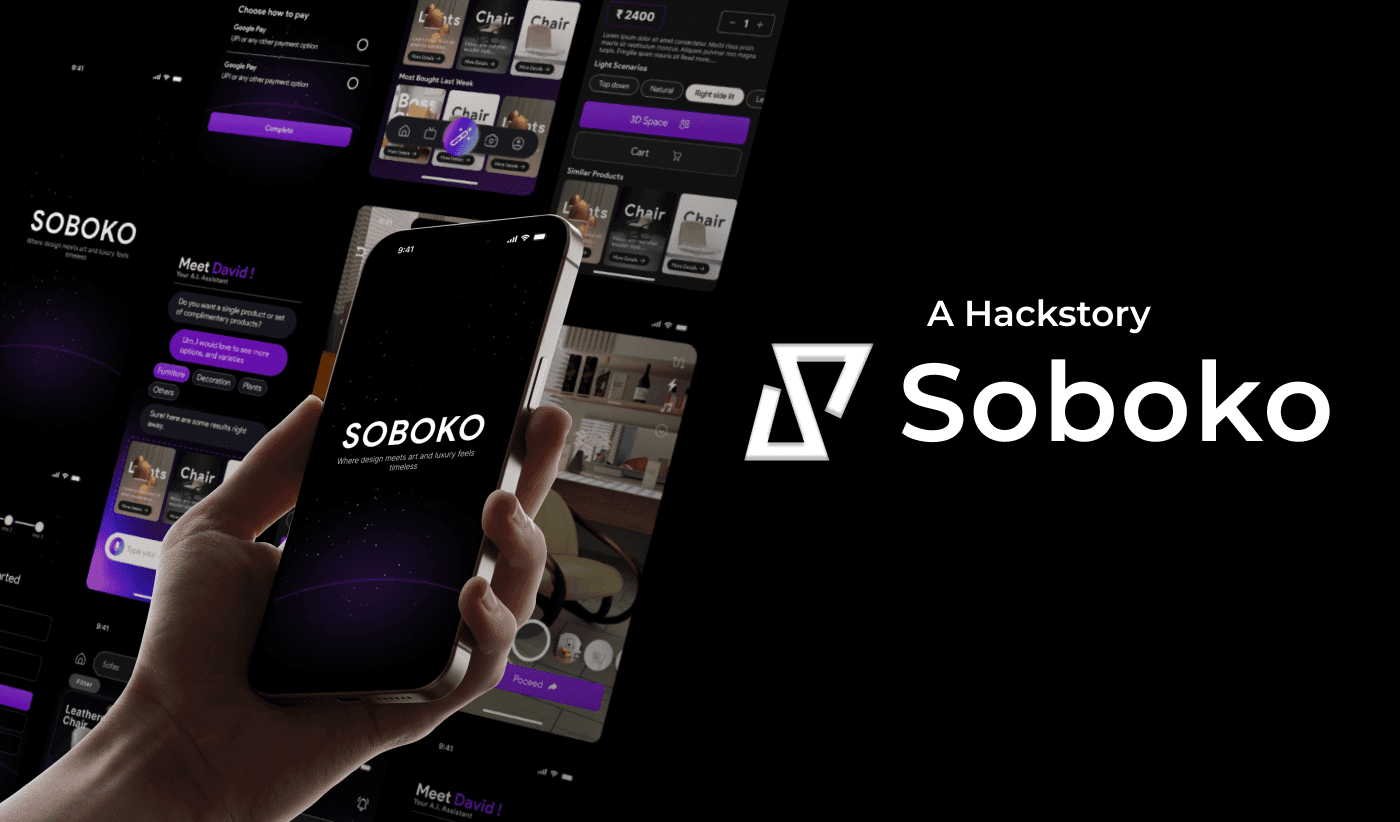
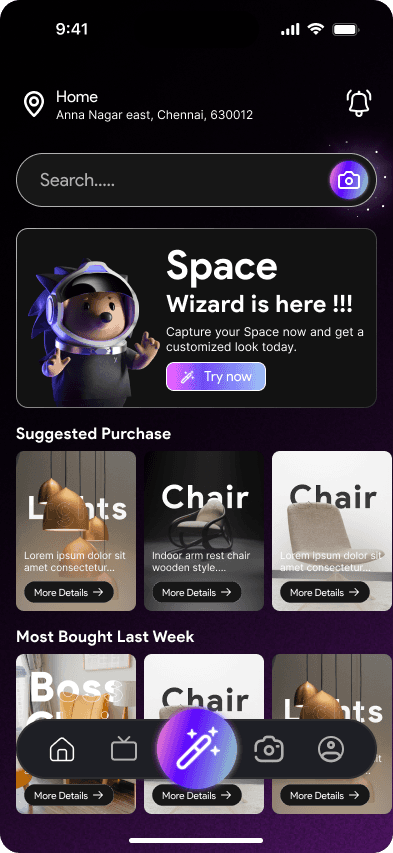
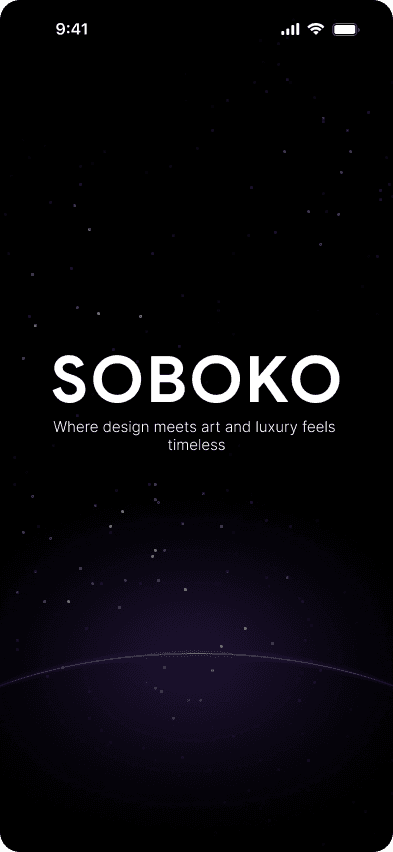
Soboko — an AI-powered home design and automation app where design meets art and luxury feels timeless.
It helps users visualize, customize, and synchronize their living spaces using AI style matching, AR previews, and smart home integrations.
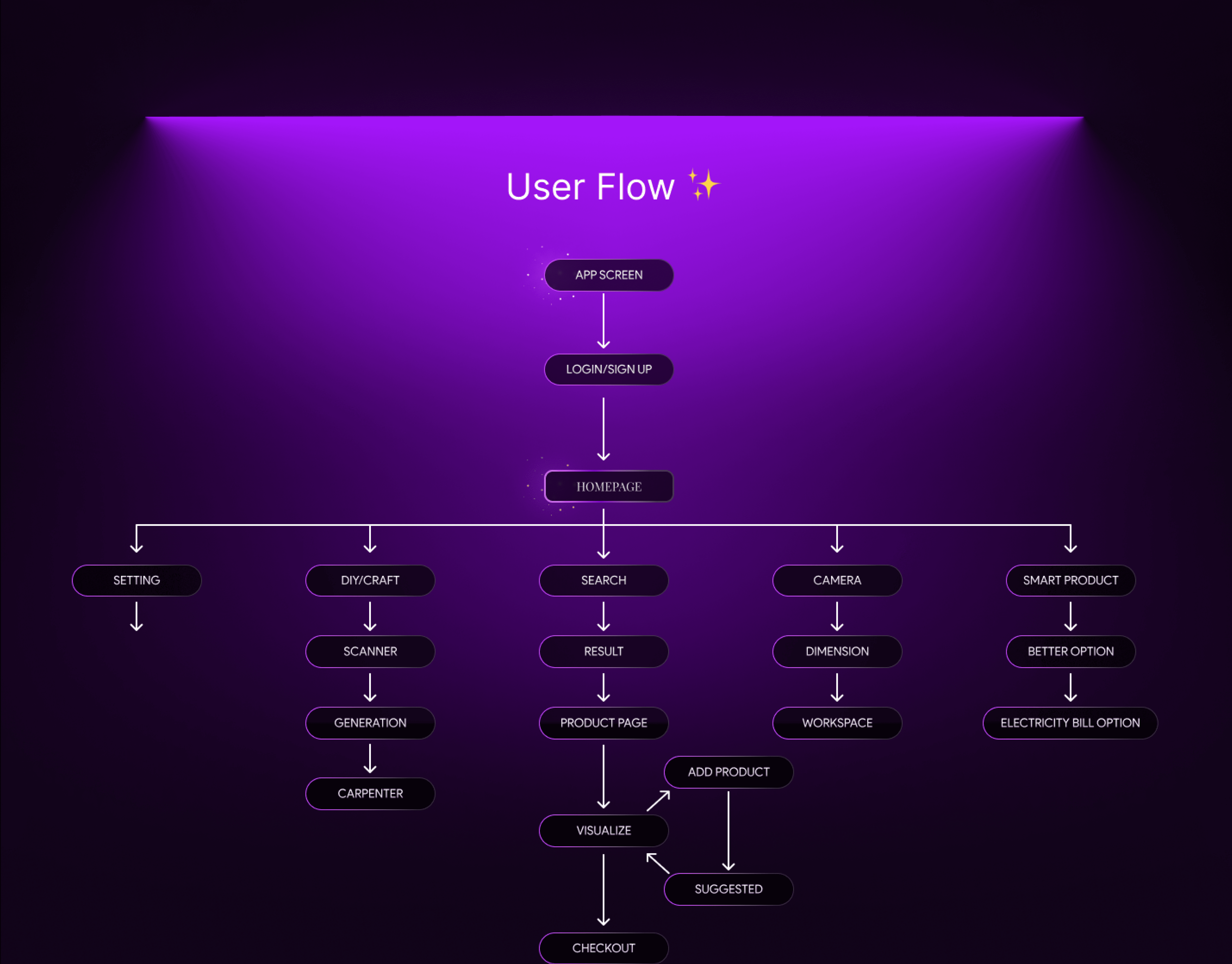
Crafting a luxurious yet minimal UI that merges high-end aesthetics with intuitive usability.
The interface draws from ambient lighting and spatial realism, blending futuristic motion cues with practical navigation.
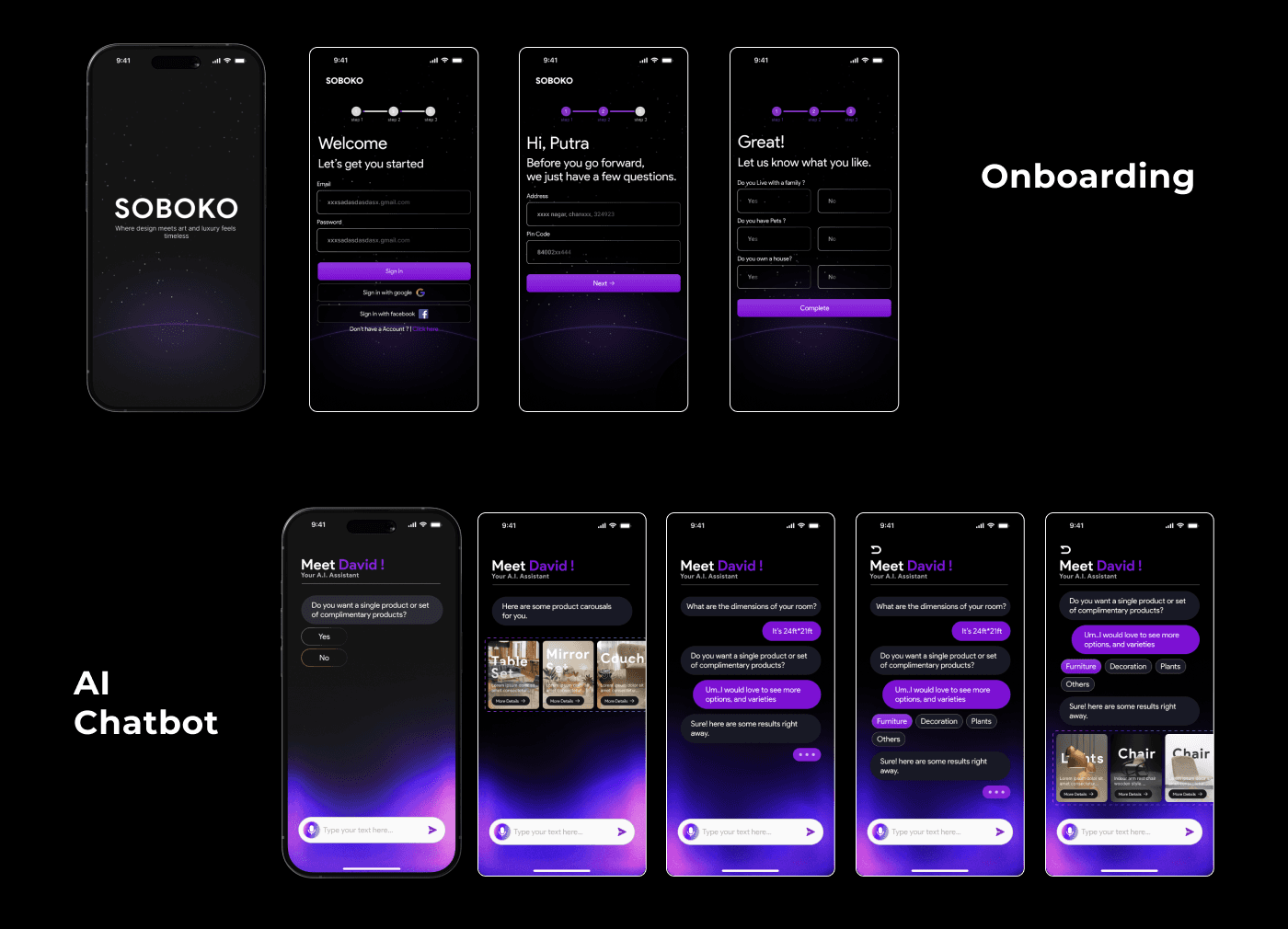
Core Features
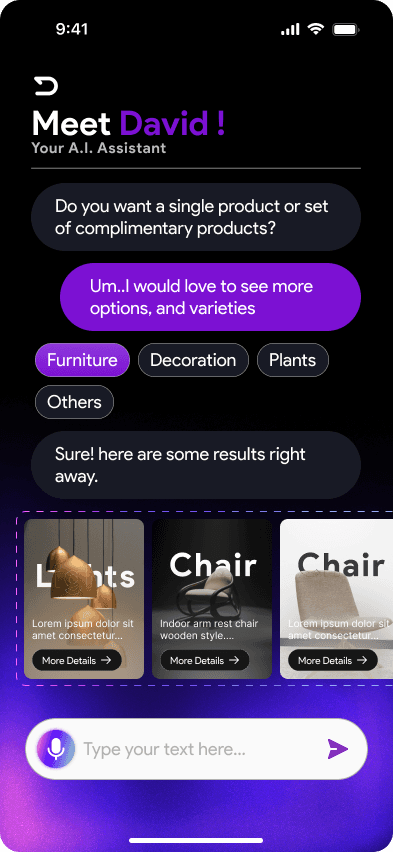
AI Style Matching — Upload a photo to find similar furniture instantly.
Smart Home Sync — Automate lighting, décor, and climate settings seamlessly.
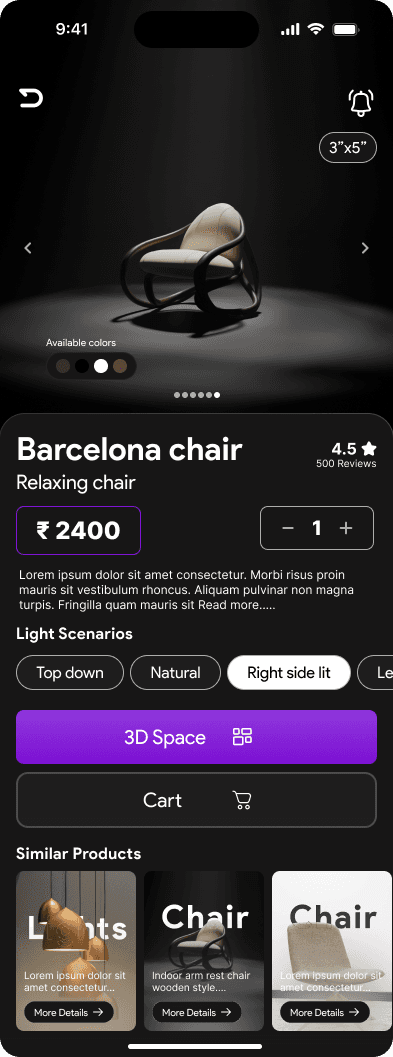
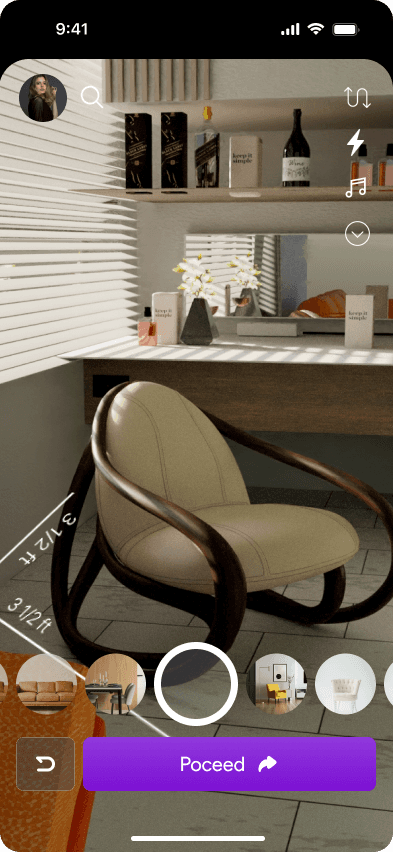
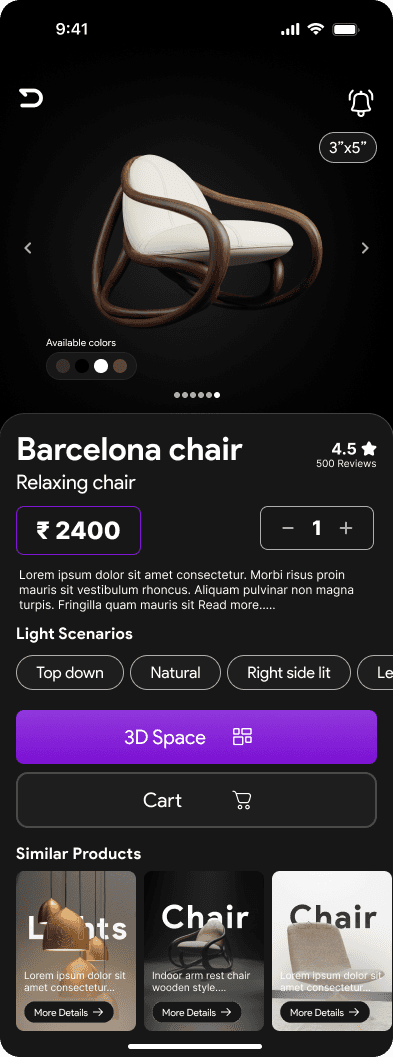
3D & AR Previews — Experience furniture in your real space before purchasing.
Custom Furniture Builder — Modify dimensions, colors, or materials on the go.
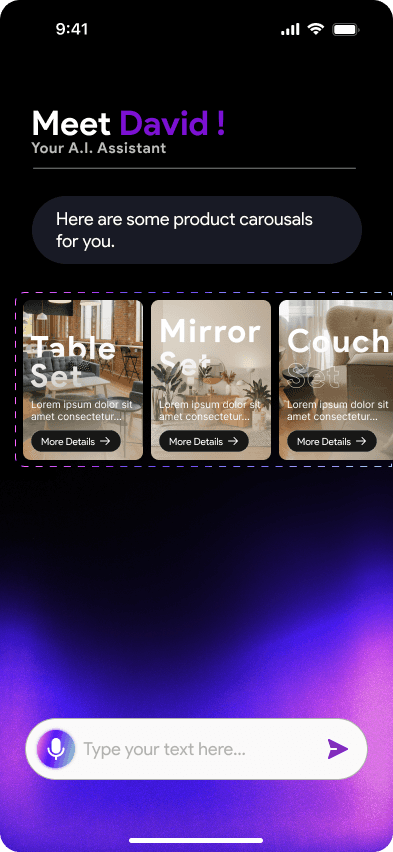
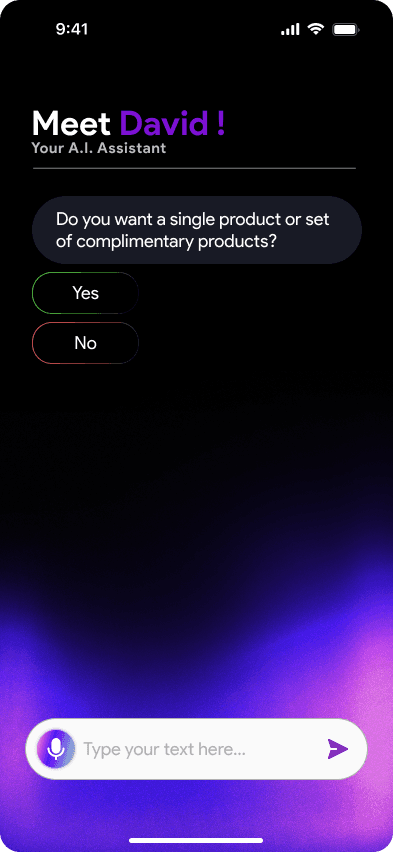
AI Chat Assistant (“David”) — Helps users curate design themes effortlessly.
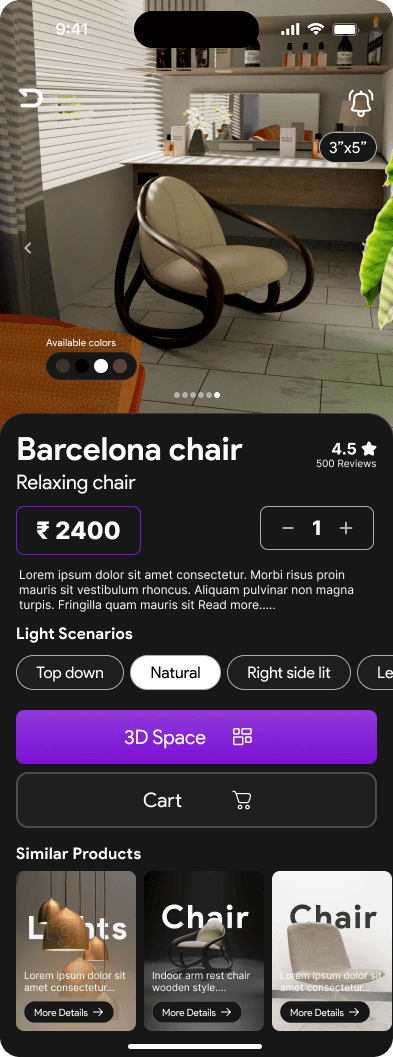
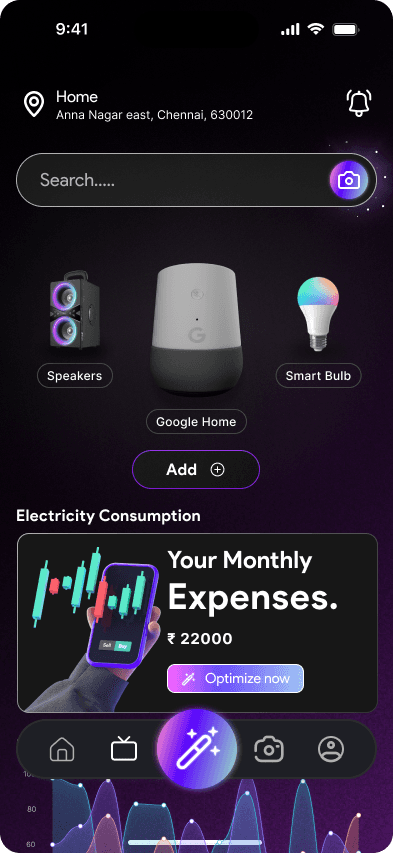
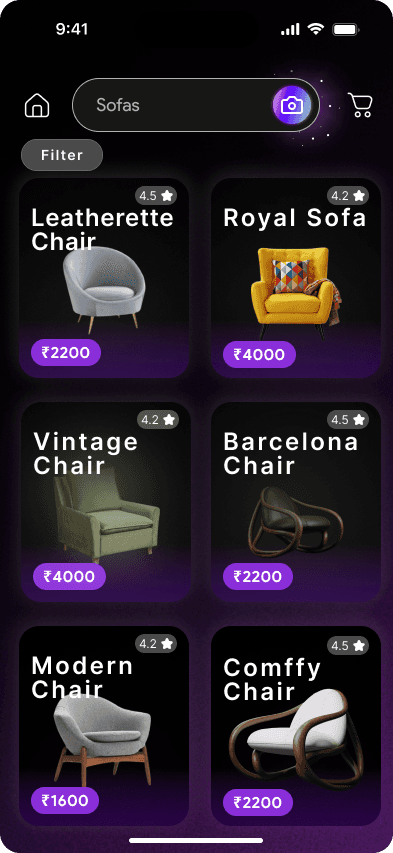
Results
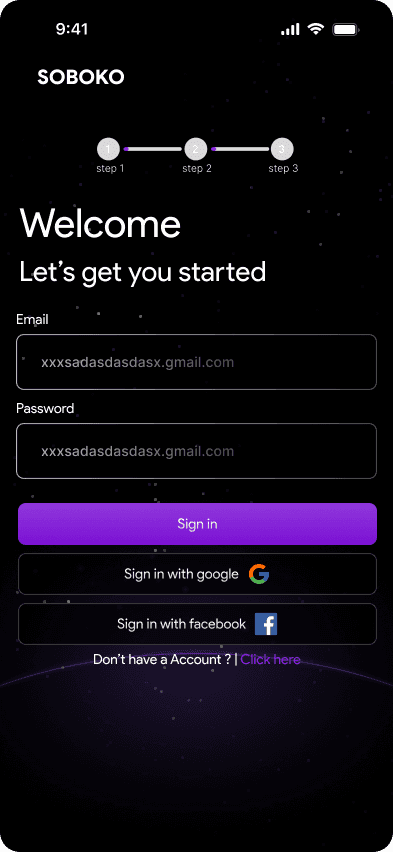
We secured 3rd place at the hackathon for Soboko’s holistic product vision and impressive prototype depth across 15+ unique screens.
Judges praised the smooth interface transitions and the practicality of merging AI + AR for interior personalization.
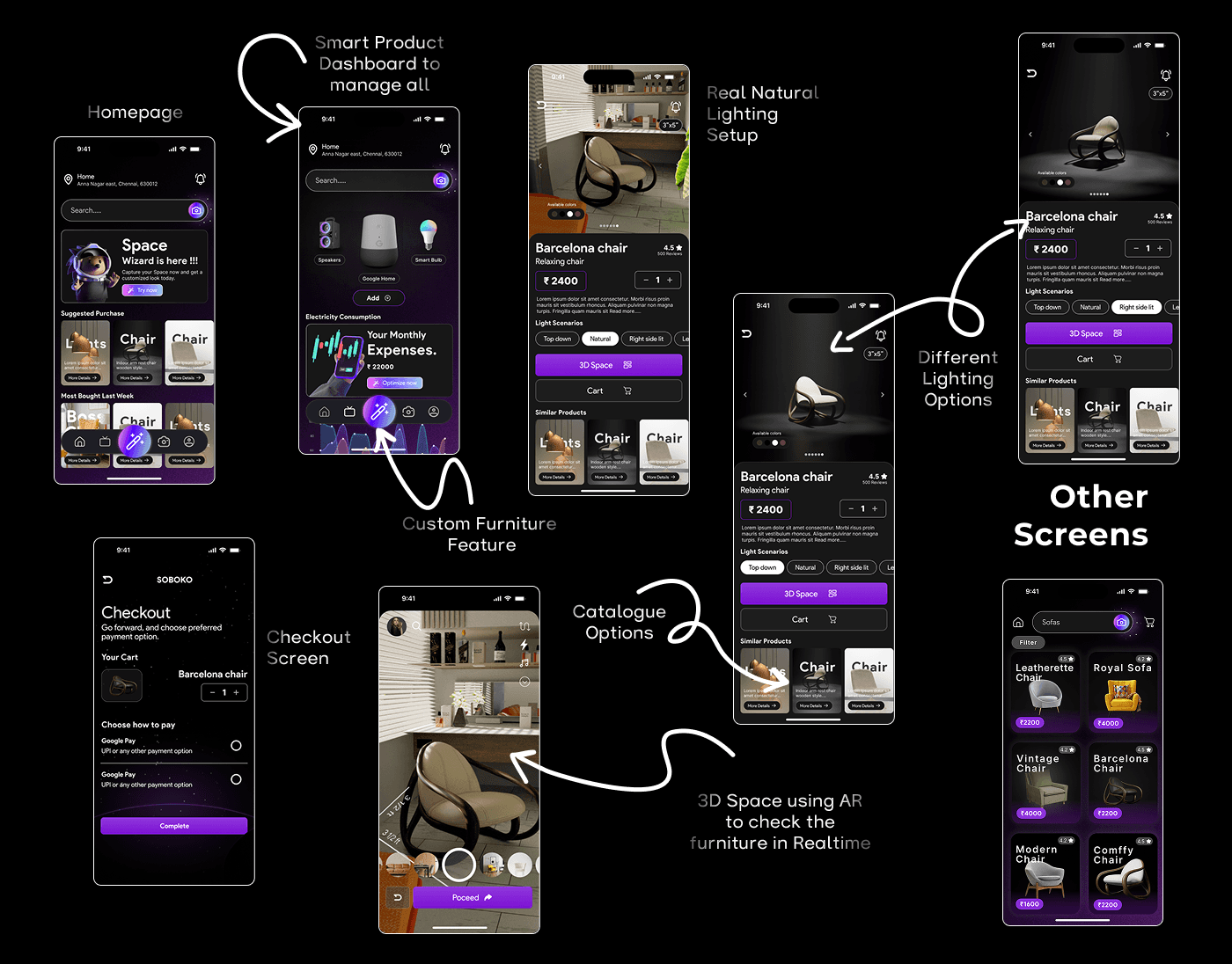
What I’d Improve
Our research phase took longer than expected, which limited development time in early rounds.
In hindsight, leveraging Notebook LLM or Perplexity AI could have accelerated our insight gathering and idea synthesis significantly.
Still, the process deepened my appreciation for rapid iteration, collaborative problem-solving, and balancing aesthetic ambition with feasibility under time pressure.
If given more time, I’d:
Extend the UI system to include festival-themed variations to resonate with Indian audiences.
Add detailed sub-screens for all finalized features, especially AI chat experiences and automation dashboards.
Conduct micro-interaction testing to refine lighting and AR animations for real-space immersion.
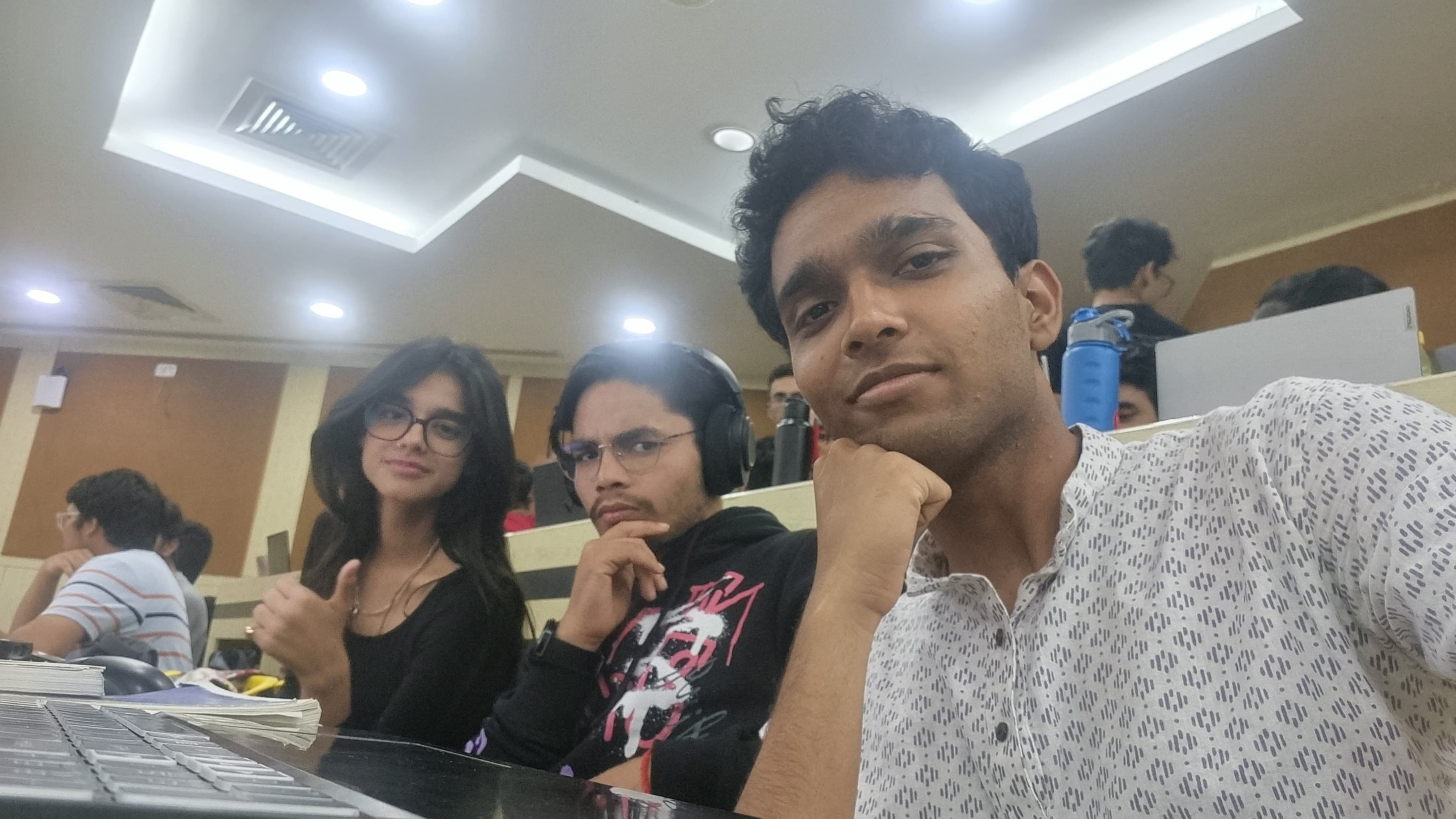
This hackathon reminded me that clarity and speed in the early research phase can define the entire product’s depth. While our concept and execution resonated well, I realized that the best hackathon teams don’t just design fast — they design with precision, using AI as a thinking partner rather than just a tool. The experience reinforced my belief that even under tight timelines, maintaining a clear design vision and aligning team energy early on is what turns an idea into a standout solution.