Design Jam
Date
27 Sept 2025
Duration
6 Hours
Role
Product & UX Designer
Track/Theme
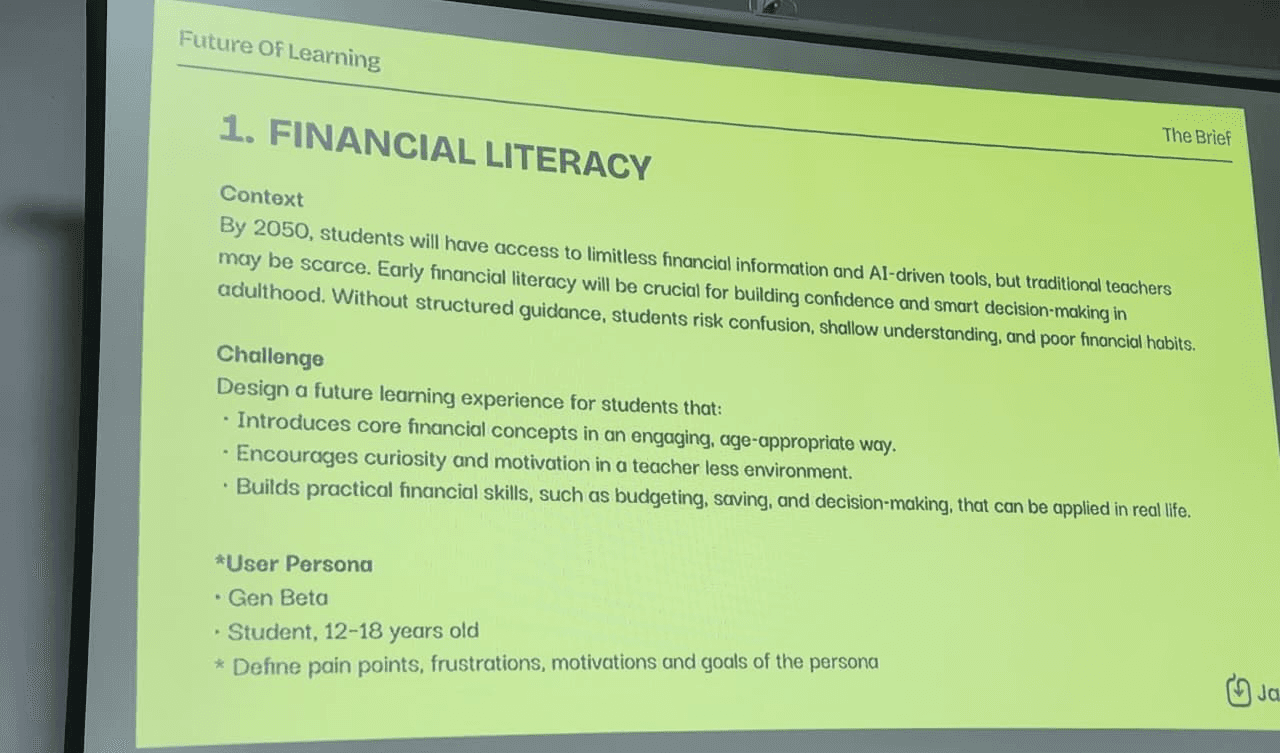
Financial Literacy — Future of Learning
Organizer
Jar (FinTech App)
My Interpretation
The brief wasn’t just about “teaching finance.” It was about designing curiosity itself—building a system that teaches students to explore financial ideas naturally, without being spoon-fed by a teacher. I saw this as an opportunity to reimagine how curiosity could replace curriculum.
Key Constraints
• Solo design sprint under 6 hours
• No access to direct user interviews (students of 2050 don’t exist yet!)
• Required to validate ideas rapidly using AI tools like Perplexity AI
Thought Process
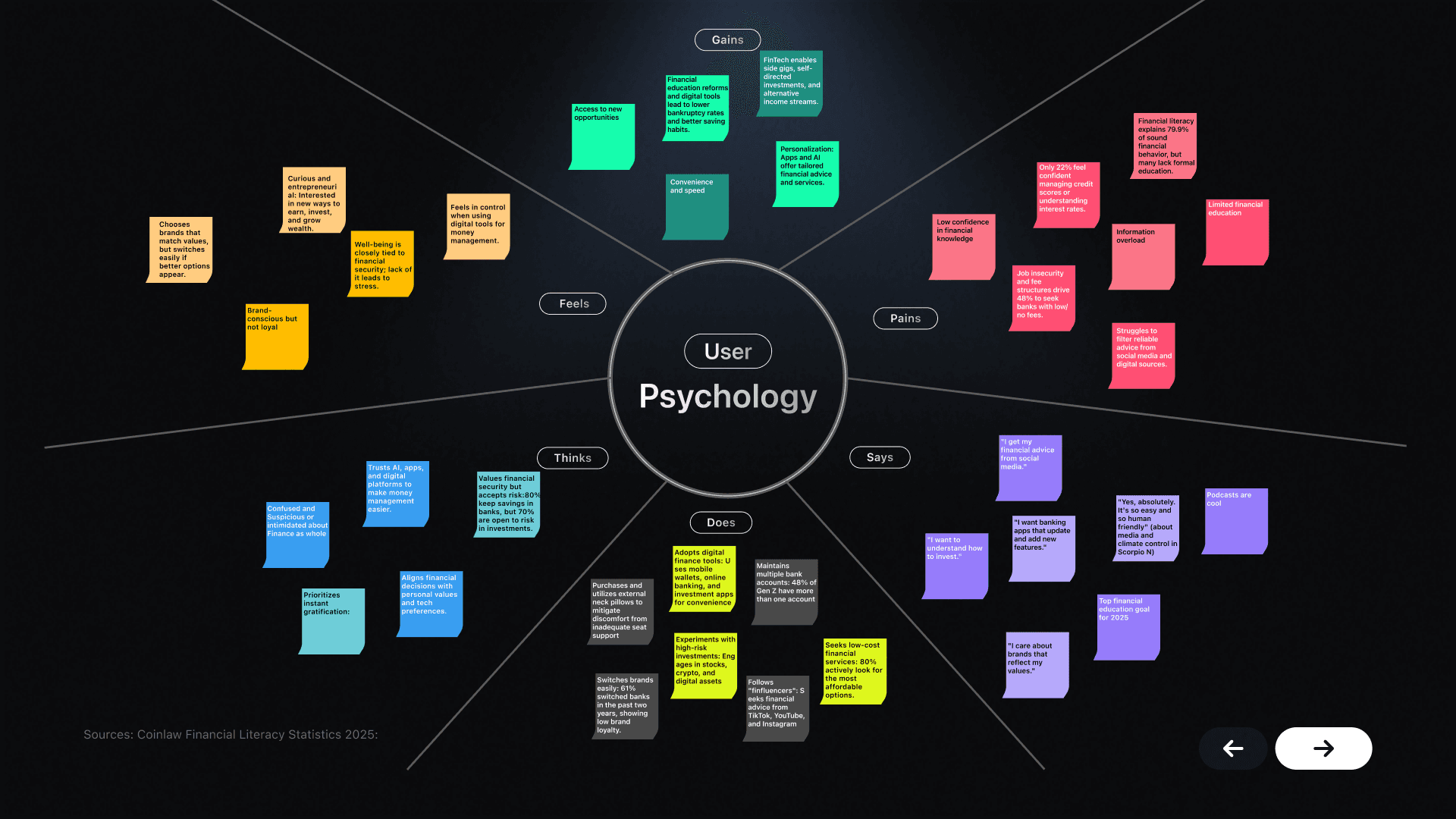
I quickly realized that the core of the problem wasn’t what to teach, but how to make students want to learn. I focused on curiosity-driven learning — where AI becomes a mentor that adapts to the user’s questions and evolving interests.

Team Strategy
Within the first two hours, I structured the problem into three domains:
Cognition: how teenagers process, retain, and recall financial concepts.
Motivation: what drives consistent engagement without a teacher.
Behavior: how feedback loops shape confidence and curiosity.
Since I was working solo, my workflow was linear — research → synthesis → design implications → visual direction.
Decision Making
Even though the brief hinted at a future without defined mediums, I chose mobile as my base. My reasoning was that while form factors (like holograms, wearables, or neural interfaces) might evolve, the core UX of carrying an intelligent, personal screen will remain timeless due to physical and cognitive comfort.
Solution Snapshot
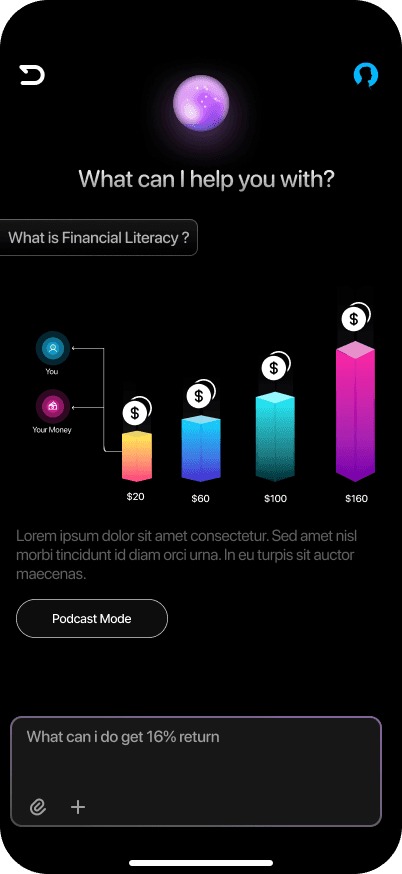
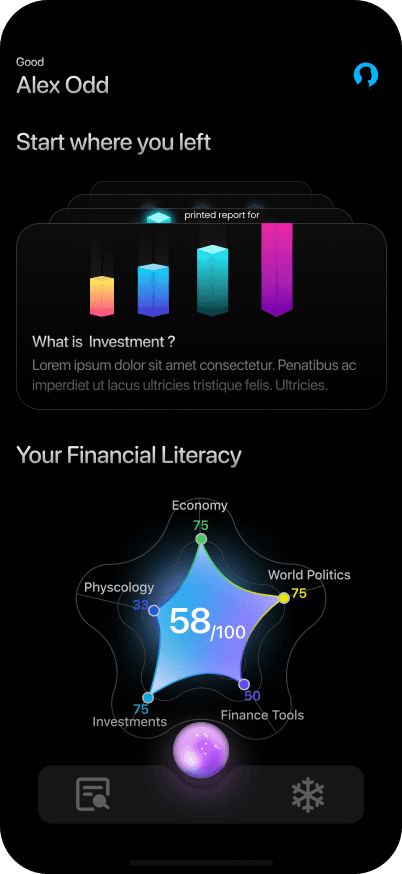
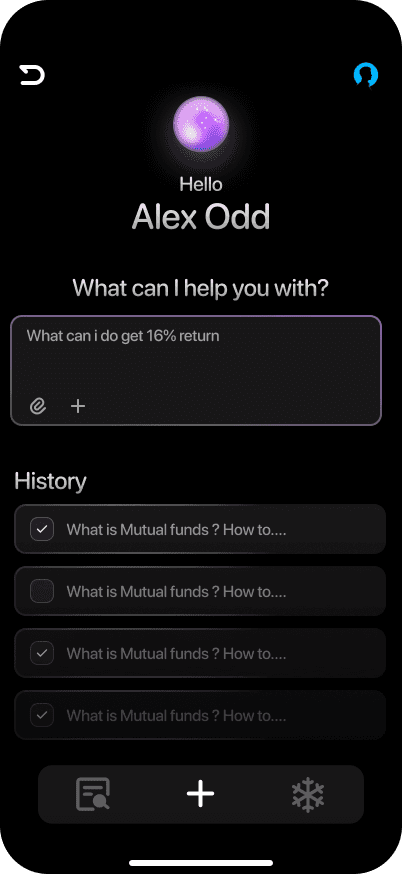
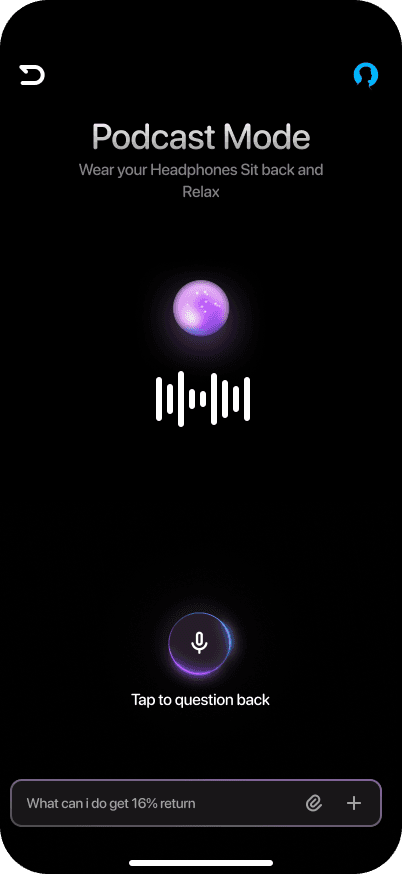
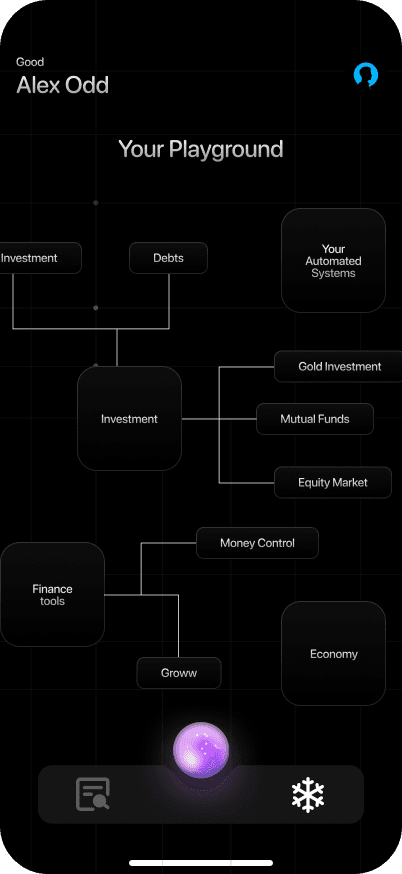
A self-evolving financial literacy system for Gen Beta that adapts to natural learning behaviors — powered by AI-driven personalization, gamified visual modules, and habit-building feedback loops.
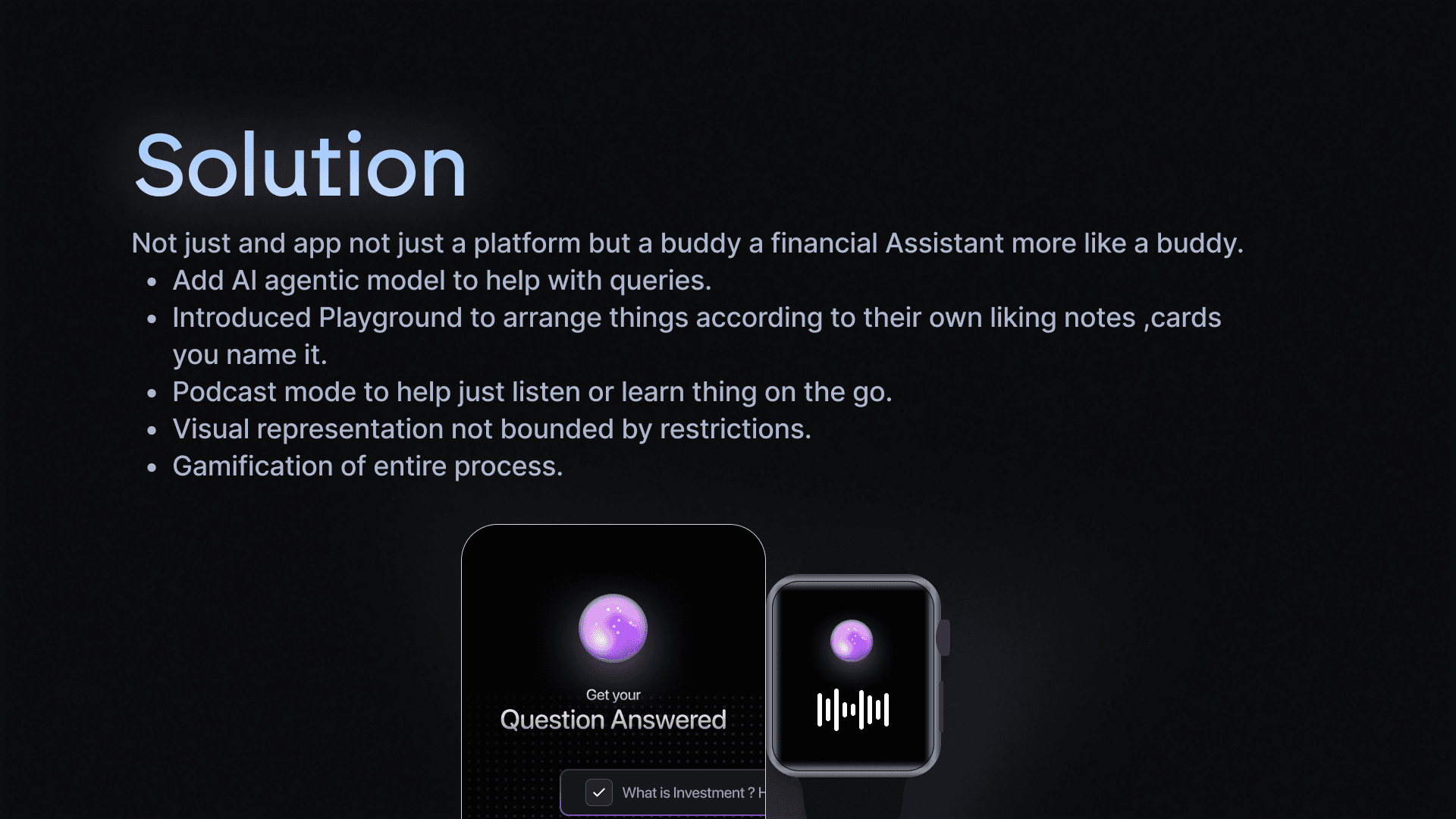
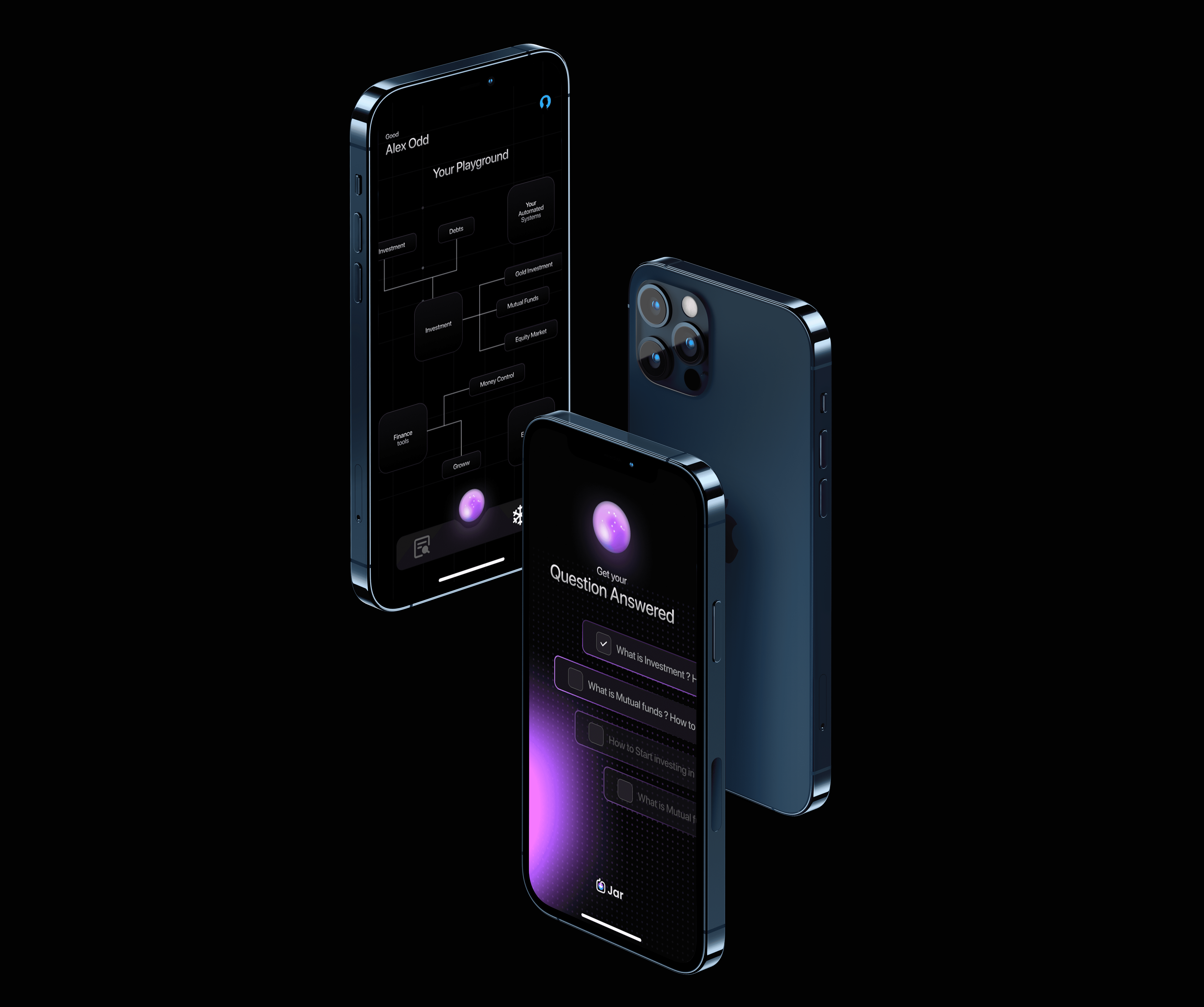
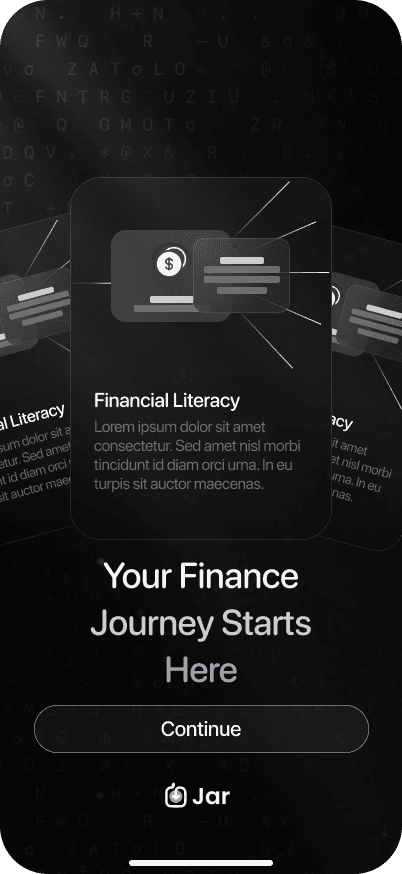
UX design and system logic — focusing on how learning feels and evolves over time rather than static UI visuals. Futuristic mobile UI inspired by cyberpunk and modern AI tools, balancing clean structure with exploratory curiosity.
Core Features
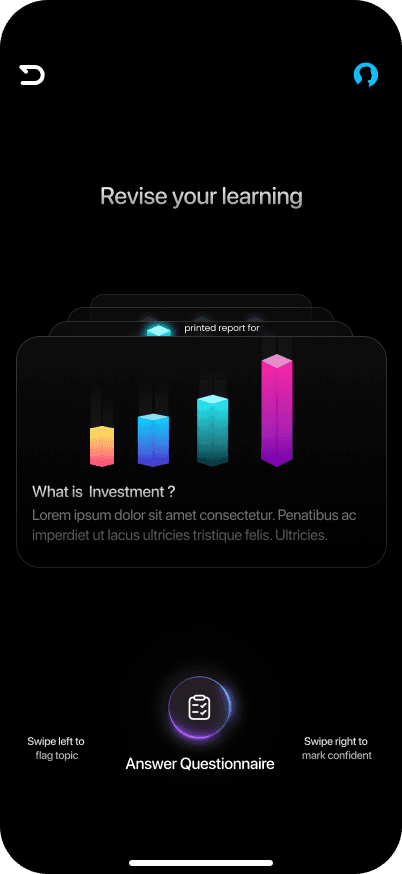
• Chunked visual learning: complex concepts (budgeting, compounding, etc.) broken into digestible, visual cards.
• Spaced recall loops: built-in reminders that revisit past lessons based on cognitive intervals.
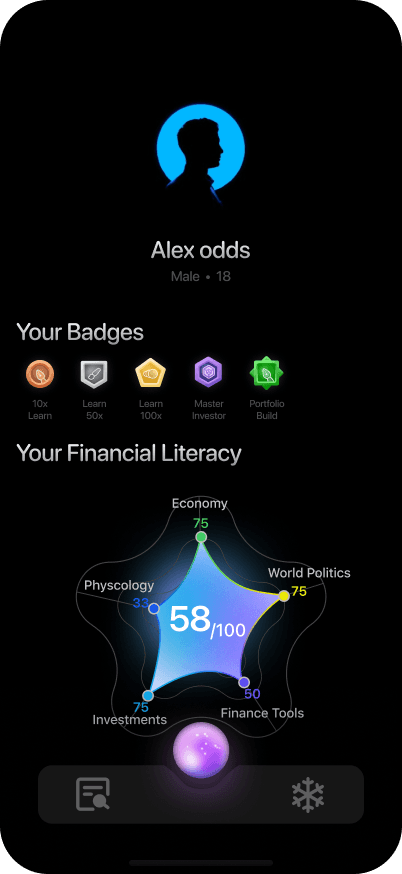
• Gamified learning journeys: progression-based challenges that reward retention and application.
• AI-driven adaptation: learning pace, visuals, and difficulty dynamically adjust to user performance.
• Real-world simulation zone: sandbox for safe financial decision-making and scenario-based learning.




Results
Did not win, but developed a deeply researched and human-centered concept that received positive informal feedback from peers.

What I’d Improve
Given more time, I’d expand beyond mobile into adaptive mediums — smart glasses or holographic learning surfaces where the AI integrates seamlessly into daily life. I’d also refine how the AI visually represents complex data in real-time.
Research first, assumptions later: it’s easy to over-design for the future, but real innovation lies in reinterpreting timeless human truths.
Time pressure clarified focus: a solo 6-hour sprint forced ruthless prioritization — I had to trust my instincts and lean on AI for validation.
AI as a cognitive amplifier: tools like Perplexity AI became my “co-pilot researcher,” letting me move from question to evidence in minutes.