Default image

Algrow – Empowering Farmers of India

Agri-tech

Farmer empowerment

Mobile UX

Solo project

India agriculture

Digital inclusion

TEAM

Solo Passion Project

MY ROLE

UX Researcher Product Designer

DURATION

3 months

Premise

Premise

I built Algrow to close three gaps I kept seeing in the field: fair market access, trustworthy credit options, and weather-informed decisions. Traveling between coffee plantations and sugarcane fields, I noticed that smartphones were common but commerce was missing—farmers scrolled and chatted, yet still sold to middlemen. The project resulted in a 20+ screen prototype that brings auctions, AI weather advisories, and a unified loan portal into one, simple mobile experience designed to be usable, trustworthy, and locally relevant.
Problem Statement

Problem Statement

Indian agriculture still relies heavily on middlemen, local mandis, and generational crop habits, which limits earnings and innovation.

The primary users are young, smartphone-using farmers (20–35 yrs) who juggle tradition and opportunity; secondary users include procurement managers at FMCG firms and local credit officers. Each group suffers when information is delayed, mistranslated, or manipulated.

If left unchecked, farmers continue to lose income, incur predatory debt, and migrate for low-wage labor—squeezing the rural economy and worsening food-system fragility. Algrow aims to reverse that trend with transparent flows and formalized options.

Indian agriculture still relies heavily on middlemen, local mandis, and generational crop habits, which limits earnings and innovation.

The primary users are young, smartphone-using farmers (20–35 yrs) who juggle tradition and opportunity; secondary users include procurement managers at FMCG firms and local credit officers. Each group suffers when information is delayed, mistranslated, or manipulated.

If left unchecked, farmers continue to lose income, incur predatory debt, and migrate for low-wage labor—squeezing the rural economy and worsening food-system fragility. Algrow aims to reverse that trend with transparent flows and formalized options.

Indian agriculture still relies heavily on middlemen, local mandis, and generational crop habits, which limits earnings and innovation.

The primary users are young, smartphone-using farmers (20–35 yrs) who juggle tradition and opportunity; secondary users include procurement managers at FMCG firms and local credit officers. Each group suffers when information is delayed, mistranslated, or manipulated.

If left unchecked, farmers continue to lose income, incur predatory debt, and migrate for low-wage labor—squeezing the rural economy and worsening food-system fragility. Algrow aims to reverse that trend with transparent flows and formalized options.

Indian agriculture still relies heavily on middlemen, local mandis, and generational crop habits, which limits earnings and innovation.

The primary users are young, smartphone-using farmers (20–35 yrs) who juggle tradition and opportunity; secondary users include procurement managers at FMCG firms and local credit officers. Each group suffers when information is delayed, mistranslated, or manipulated.

If left unchecked, farmers continue to lose income, incur predatory debt, and migrate for low-wage labor—squeezing the rural economy and worsening food-system fragility. Algrow aims to reverse that trend with transparent flows and formalized options.

RESEARCH

The field first — lived, recorded, and mapped
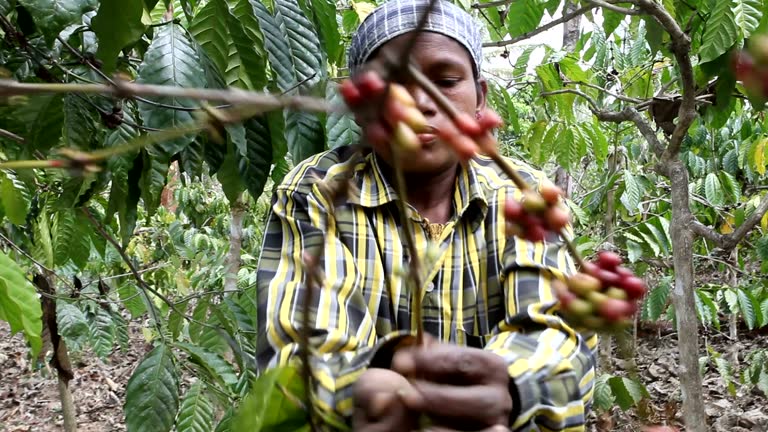
I combined secondary data with in-person field interviews to ground every assumption. Visits to Chikmagluru’s coffee estates and Pune’s sugarcane belts, plus ten+ remote interviews, revealed a consistent paradox: people had devices and daily data access, but lacked platforms that turned that access into fair pricing or reliable credit choices.

I combined secondary data with in-person field interviews to ground every assumption. Visits to Chikmagluru’s coffee estates and Pune’s sugarcane belts, plus ten+ remote interviews, revealed a consistent paradox: people had devices and daily data access, but lacked platforms that turned that access into fair pricing or reliable credit choices.

I combined secondary data with in-person field interviews to ground every assumption. Visits to Chikmagluru’s coffee estates and Pune’s sugarcane belts, plus ten+ remote interviews, revealed a consistent paradox: people had devices and daily data access, but lacked platforms that turned that access into fair pricing or reliable credit choices.

I combined secondary data with in-person field interviews to ground every assumption. Visits to Chikmagluru’s coffee estates and Pune’s sugarcane belts, plus ten+ remote interviews, revealed a consistent paradox: people had devices and daily data access, but lacked platforms that turned that access into fair pricing or reliable credit choices.

Approach

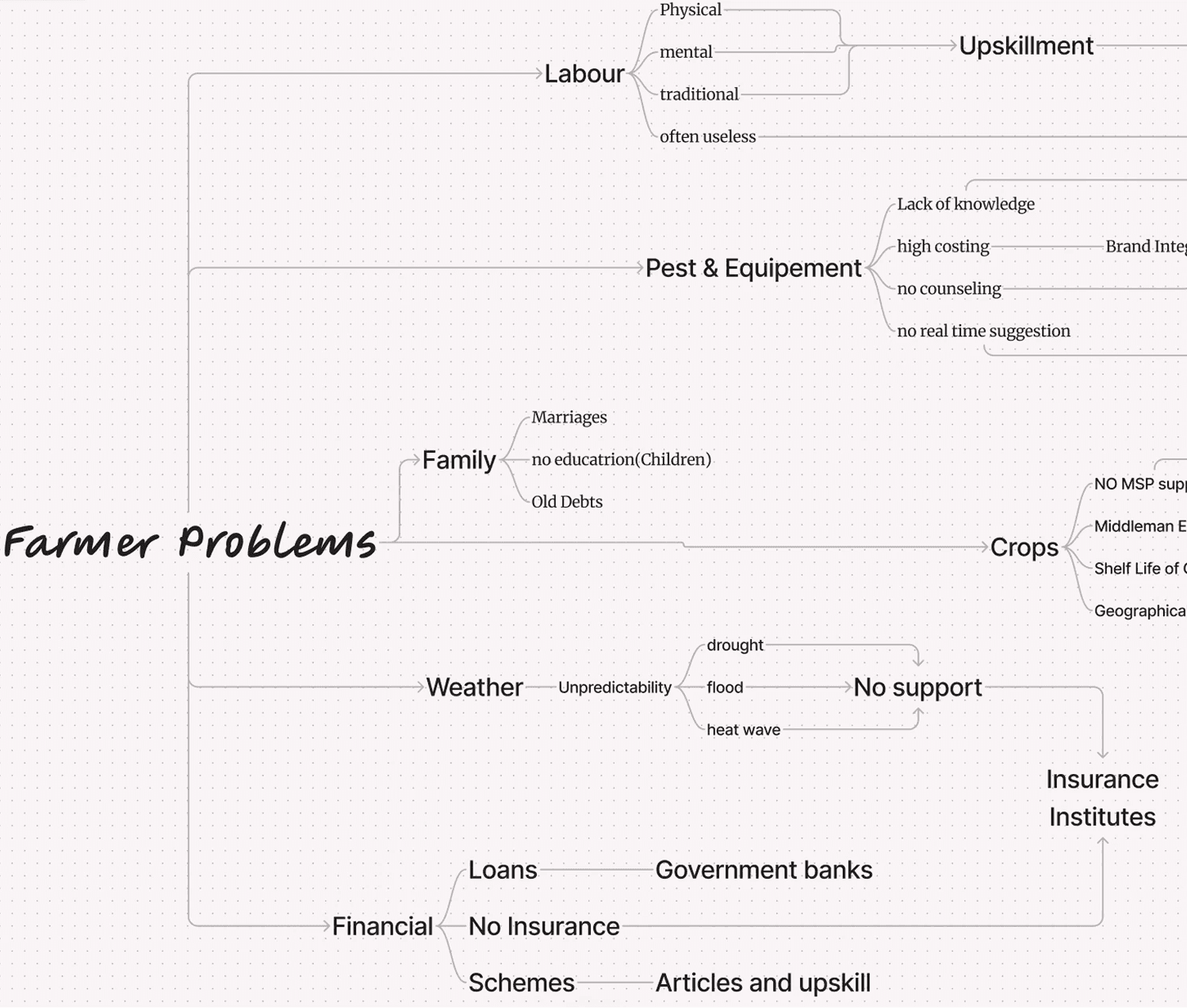
Alongside interviews, I dove into policy, MSP debates, credit systems, and climate archives. The deeper I went, the clearer it became that the agricultural ecosystem wasn't broken accidentally—it was designed around imbalance. The product had to restore balance, not just add features.

Digital Literacy ≠ Digital Usability

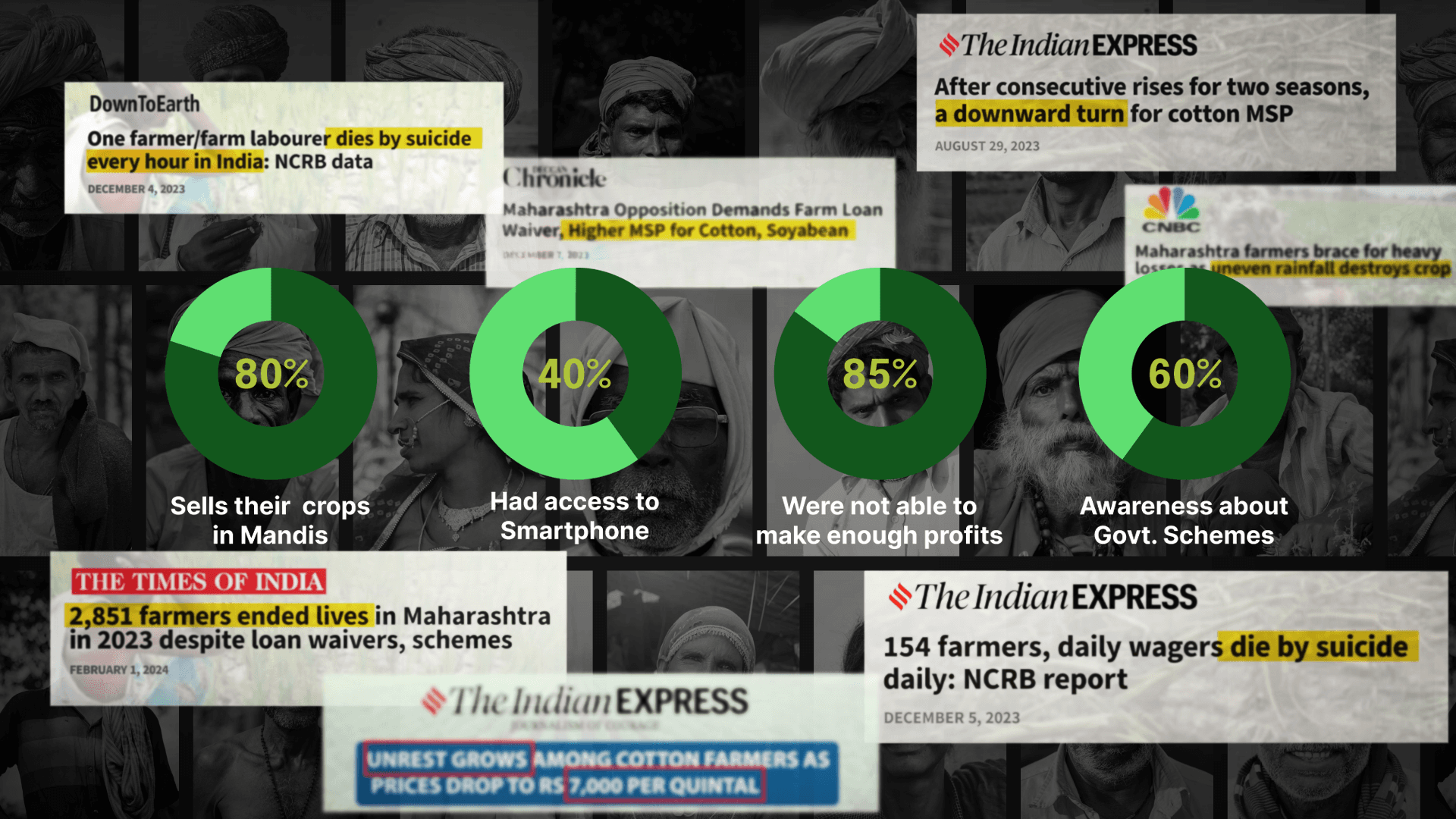
I audited government portals, agri reports, and news documentaries to quantify the landscape; this showed regional procurement disparities and systemic credit gaps that trap farmers in debt cycles. The evidence guided product scope and stakeholder targeting.

Farmer interviews & field visits

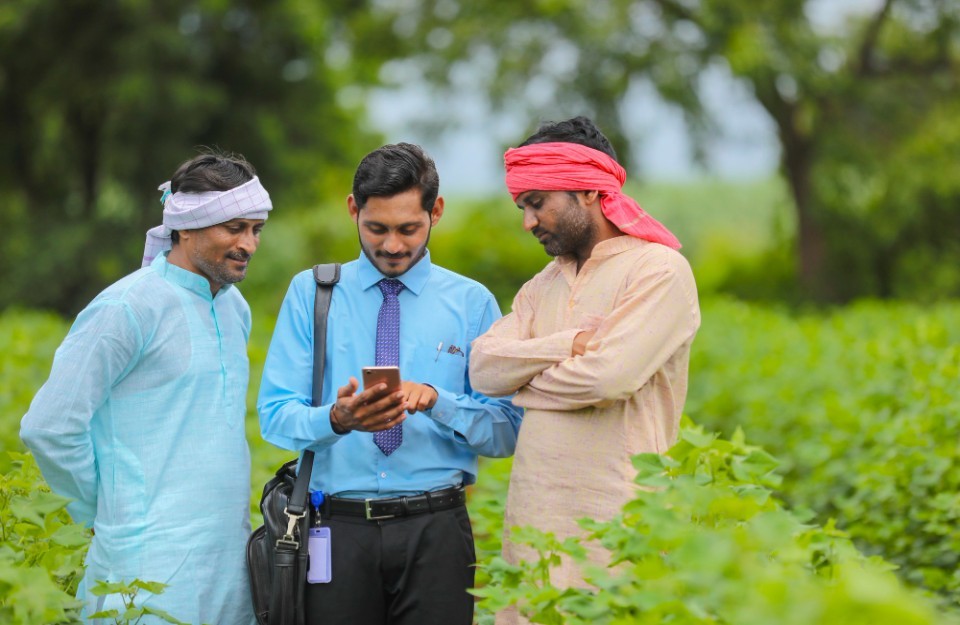
Field conversations with farmers like Ram Prakash and Vilas Badwe surfaced emotional truths—migration, debt, and despair—and specific numbers (e.g., cultivation costs, loan rates). Those real quotes shaped onboarding, tone, and feature priorities.

Ecosystem diagram

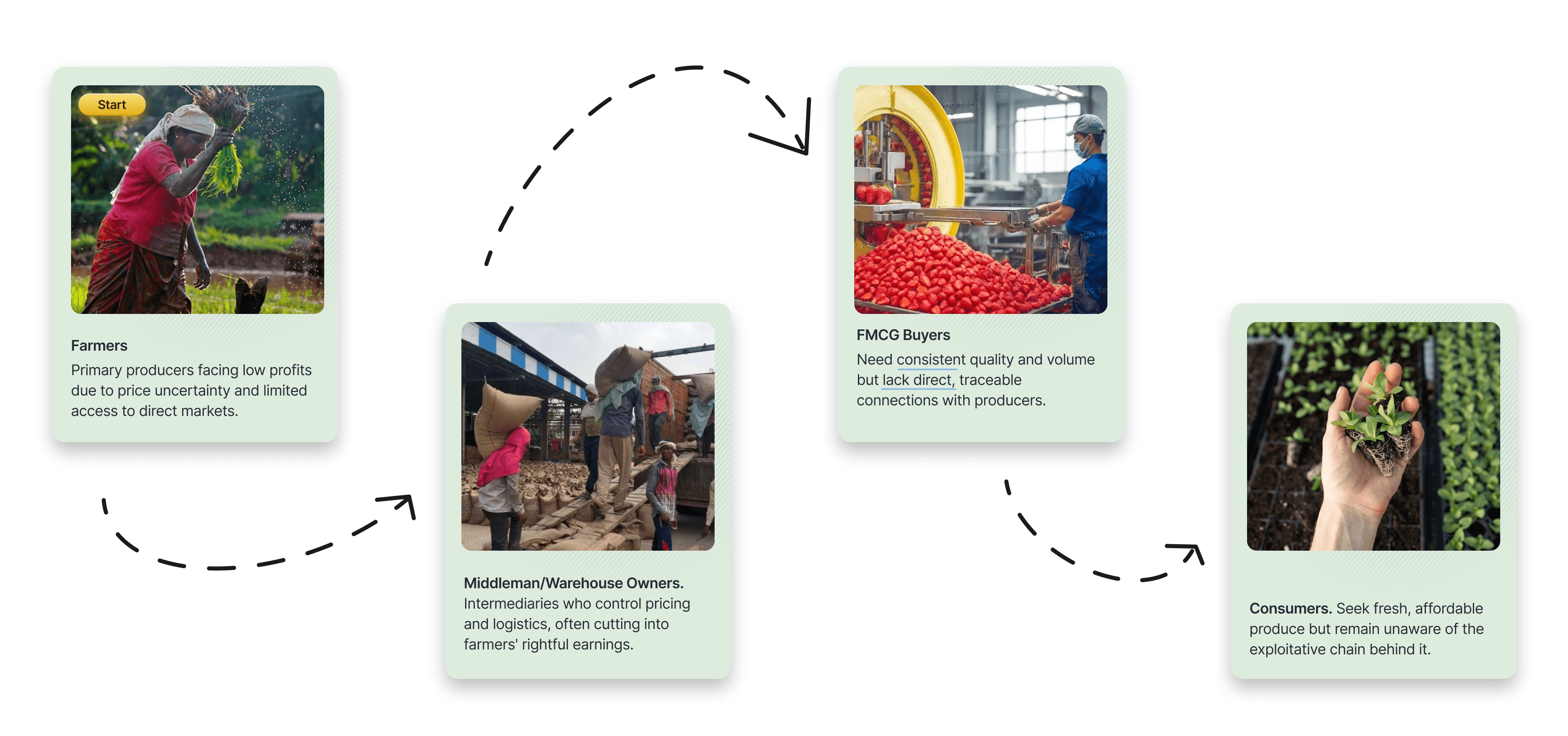
Mapping farmers, middlemen, APMCs, FMCG buyers, and government players revealed where value leaked and where digital intervention could create traceability—critical for auction credibility and buyer trust.

Early usability checks

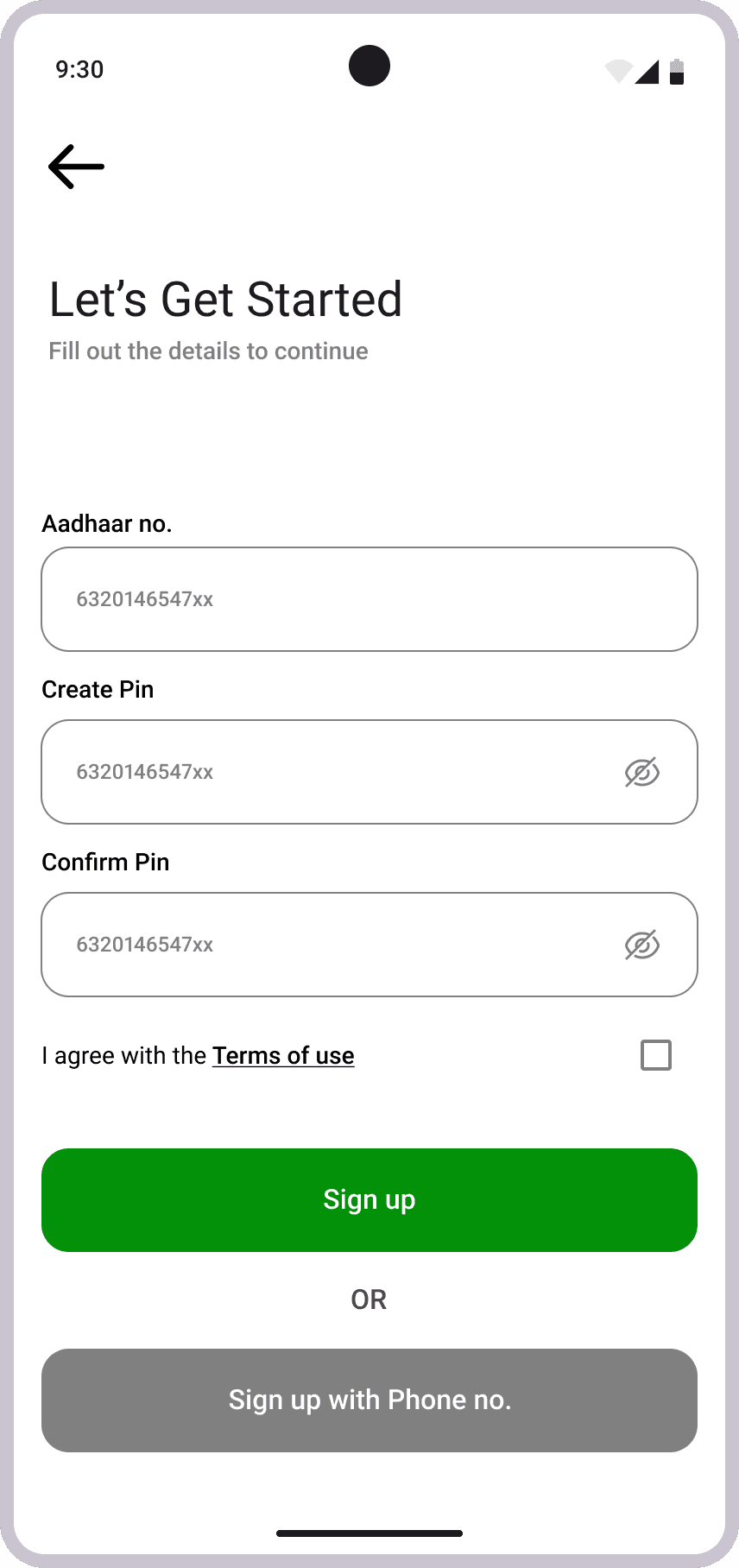
Remote tests and quick paper prototypes validated two design theses: Aadhaar-based sign-in reduces friction, and voice/local language prompts significantly increase task completion among low-literacy users.

Digital Literacy ≠ Digital Usability

I audited government portals, agri reports, and news documentaries to quantify the landscape; this showed regional procurement disparities and systemic credit gaps that trap farmers in debt cycles. The evidence guided product scope and stakeholder targeting.

Farmer interviews & field visits

Field conversations with farmers like Ram Prakash and Vilas Badwe surfaced emotional truths—migration, debt, and despair—and specific numbers (e.g., cultivation costs, loan rates). Those real quotes shaped onboarding, tone, and feature priorities.

Ecosystem diagram

Mapping farmers, middlemen, APMCs, FMCG buyers, and government players revealed where value leaked and where digital intervention could create traceability—critical for auction credibility and buyer trust.

Early usability checks

Remote tests and quick paper prototypes validated two design theses: Aadhaar-based sign-in reduces friction, and voice/local language prompts significantly increase task completion among low-literacy users.

Digital Literacy ≠ Digital Usability

I audited government portals, agri reports, and news documentaries to quantify the landscape; this showed regional procurement disparities and systemic credit gaps that trap farmers in debt cycles. The evidence guided product scope and stakeholder targeting.

Farmer interviews & field visits

Field conversations with farmers like Ram Prakash and Vilas Badwe surfaced emotional truths—migration, debt, and despair—and specific numbers (e.g., cultivation costs, loan rates). Those real quotes shaped onboarding, tone, and feature priorities.

Ecosystem diagram

Mapping farmers, middlemen, APMCs, FMCG buyers, and government players revealed where value leaked and where digital intervention could create traceability—critical for auction credibility and buyer trust.

Early usability checks

Remote tests and quick paper prototypes validated two design theses: Aadhaar-based sign-in reduces friction, and voice/local language prompts significantly increase task completion among low-literacy users.

Digital Literacy ≠ Digital Usability

I audited government portals, agri reports, and news documentaries to quantify the landscape; this showed regional procurement disparities and systemic credit gaps that trap farmers in debt cycles. The evidence guided product scope and stakeholder targeting.

Farmer interviews & field visits

Field conversations with farmers like Ram Prakash and Vilas Badwe surfaced emotional truths—migration, debt, and despair—and specific numbers (e.g., cultivation costs, loan rates). Those real quotes shaped onboarding, tone, and feature priorities.

Ecosystem diagram

Mapping farmers, middlemen, APMCs, FMCG buyers, and government players revealed where value leaked and where digital intervention could create traceability—critical for auction credibility and buyer trust.

Early usability checks

Remote tests and quick paper prototypes validated two design theses: Aadhaar-based sign-in reduces friction, and voice/local language prompts significantly increase task completion among low-literacy users.

Insights

Farmers weren’t technologically unaware — Many farmers had phones and used Facebook, but they rarely used apps for commerce; without localized, contextual information—market averages, local weather, or loan comparisons—data failed to change behaviour.

TOP INSIGHTS
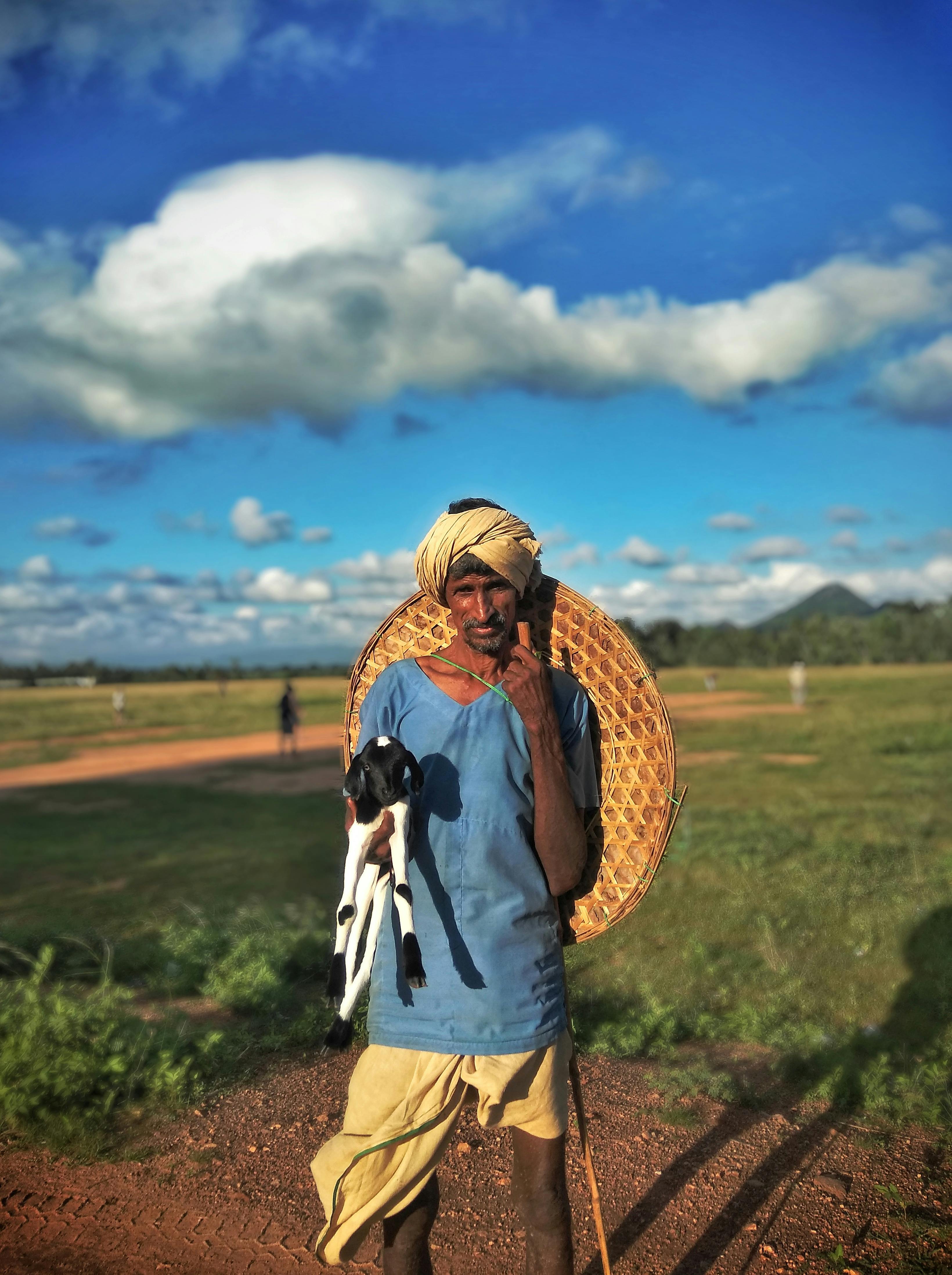
Digital Literacy ≠ Digital Usability

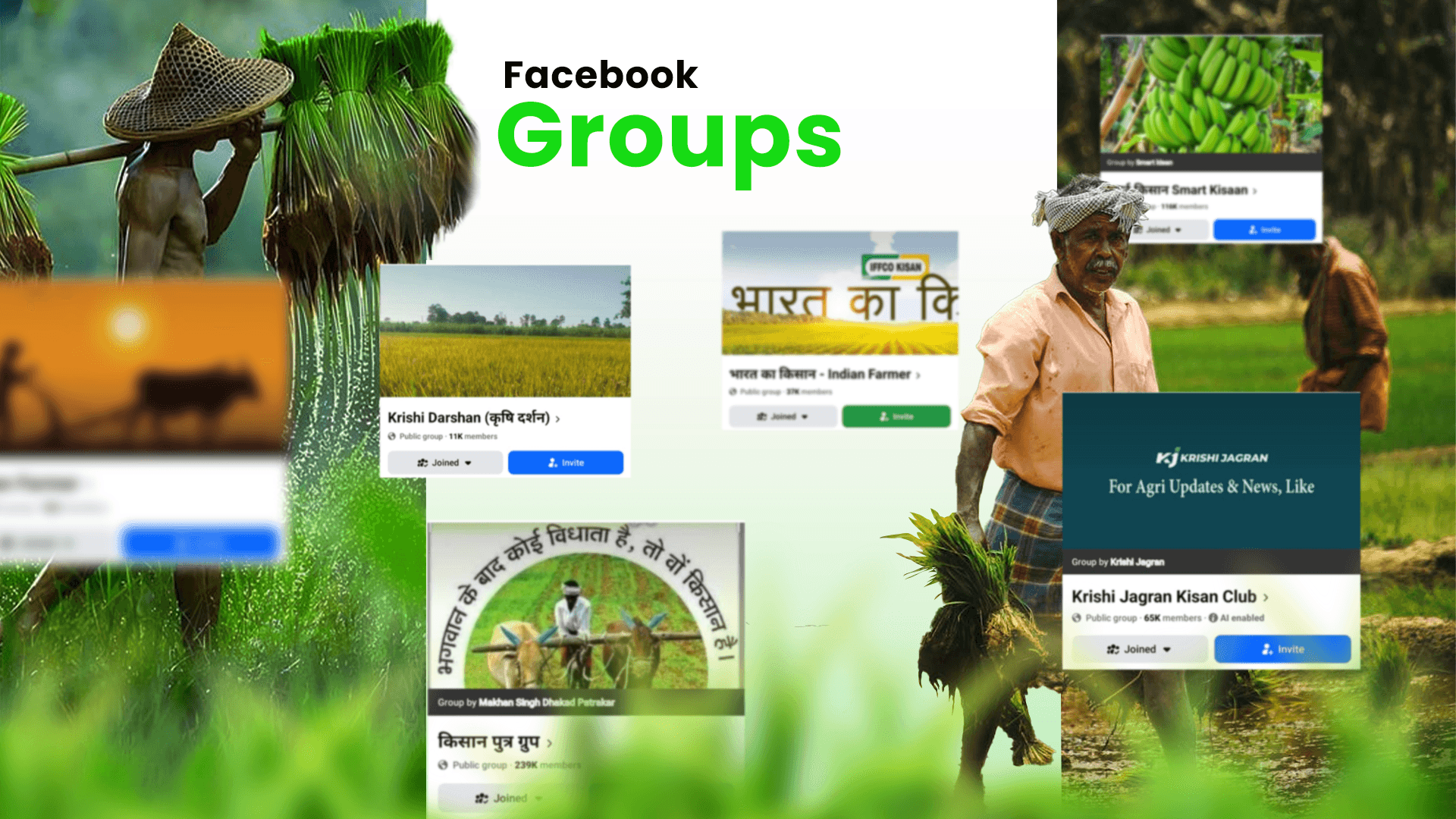
Farmers aged 18–35 used Facebook, WhatsApp, and news apps regularly. Yet none of these tools helped them make high-stakes decisions around crops, money, or climate. There was a digital gap, not from illiteracy, but from lack of contextual relevance.

Trust is the primary UX problem

Farmers heavily depended on generational wisdom, but extreme rains, droughts, and shifting cold phases invalidated these patterns. They needed data-backed, seasonal intelligence, delivered in a simple, culturally intuitive interface.

Digital Literacy ≠ Digital Usability

Farmers aged 18–35 used Facebook, WhatsApp, and news apps regularly. Yet none of these tools helped them make high-stakes decisions around crops, money, or climate. There was a digital gap, not from illiteracy, but from lack of contextual relevance.

Trust is the primary UX problem

Farmers heavily depended on generational wisdom, but extreme rains, droughts, and shifting cold phases invalidated these patterns. They needed data-backed, seasonal intelligence, delivered in a simple, culturally intuitive interface.

Digital Literacy ≠ Digital Usability

Farmers aged 18–35 used Facebook, WhatsApp, and news apps regularly. Yet none of these tools helped them make high-stakes decisions around crops, money, or climate. There was a digital gap, not from illiteracy, but from lack of contextual relevance.

Trust is the primary UX problem

Farmers heavily depended on generational wisdom, but extreme rains, droughts, and shifting cold phases invalidated these patterns. They needed data-backed, seasonal intelligence, delivered in a simple, culturally intuitive interface.

Digital Literacy ≠ Digital Usability

Farmers aged 18–35 used Facebook, WhatsApp, and news apps regularly. Yet none of these tools helped them make high-stakes decisions around crops, money, or climate. There was a digital gap, not from illiteracy, but from lack of contextual relevance.

Trust is the primary UX problem

Farmers heavily depended on generational wisdom, but extreme rains, droughts, and shifting cold phases invalidated these patterns. They needed data-backed, seasonal intelligence, delivered in a simple, culturally intuitive interface.

man in orange and white shirt smiling
man and woman sitting on concrete bench during daytime
a man with a stick walks along a river bank
man in blue and white plaid button up shirt holding green plant
a person holding a stick and a dog in a field

User Persona

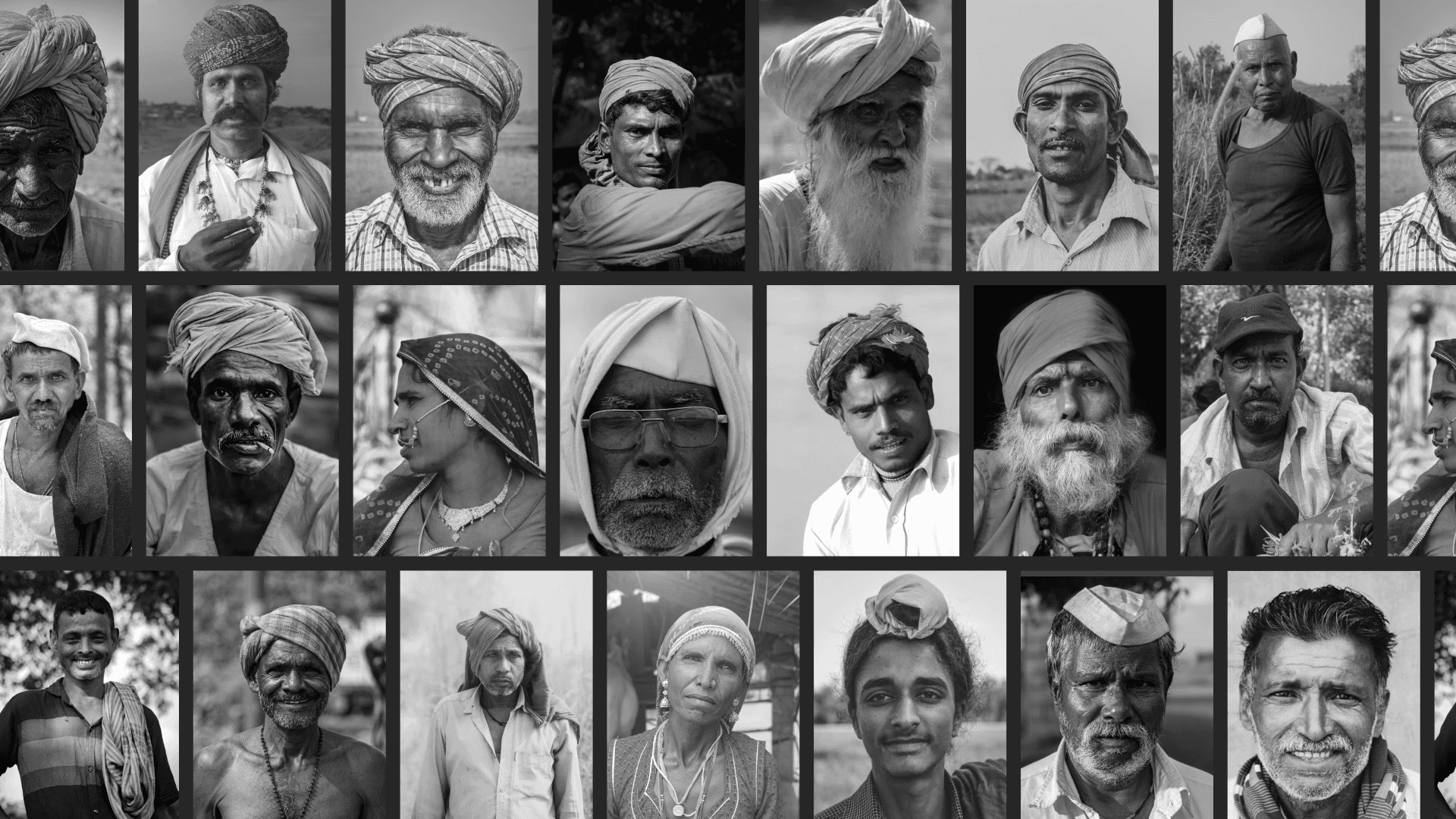
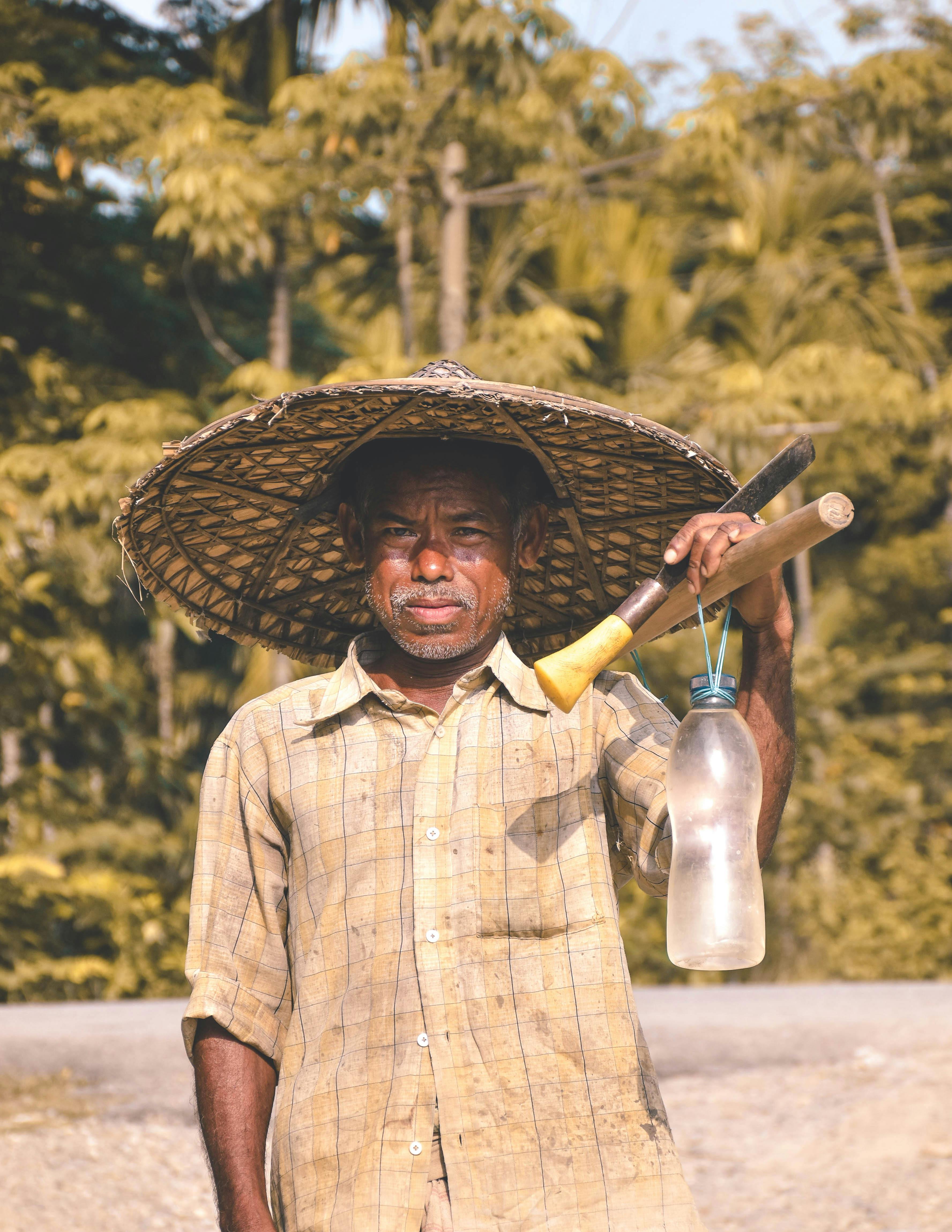
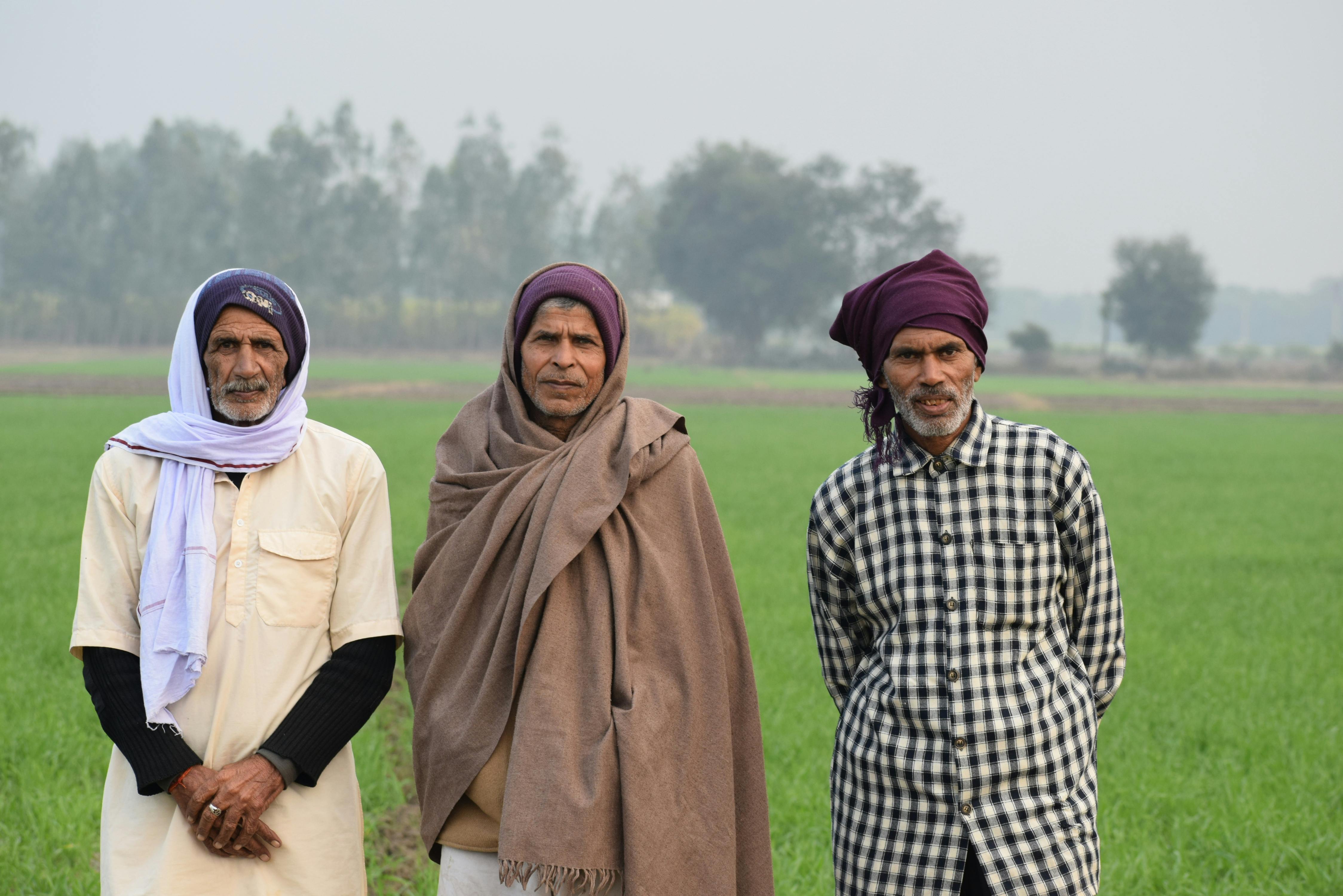
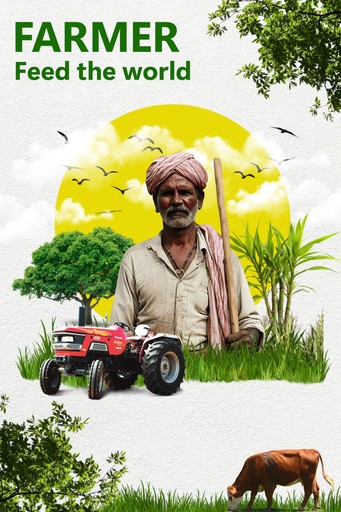
My primary users sat across three real personas—each shaped by uncertainty and aspiration.
Demographics ranged from 17 to 50 years old, across Bihar, Maharashtra, and Karnataka.
All used smartphones and low-cost data.
They cared about stable income, weather reliability, and transparent pricing.
They struggled with loans, crop loss, and middlemen.
Their motivations were anchored in security and dignity, not just profit.

WORDS FROM OUR USER

Dear Oliver,

I hope you're doing well! I wanted to share my excitement about creating websites with Framer's intuitive no-code platform.

Let's explore it together!Looking forward to discussing more about our design adventures!

Ram Prakash,
I quit school to support my family and travel to Tamil Nadu for work, earning about ₹500/day. I want a life where I can work locally and not leave home. If technology helps me find buyers or loans without being cheated, I would try it.
Thank you.

Vilas Badwe,
I cultivate two acres of cotton and face input costs of ₹30,000–40,000 per acre; current returns barely cover expenses. If I could compare market rates and access fair buyers, I would stop feeling trapped by debt.
Thank you.

Harpal Singh Grewal,
Policy gaps and uneven MSP procurement create systemic risk; without legal traceability and support for organic alternatives, farmers stay dependent. I want systems that enforce traceability to the farmer’s bank account.
Thank you.

Dear Oliver,

I hope you're doing well! I wanted to share my excitement about creating websites with Framer's intuitive no-code platform.

Let's explore it together!Looking forward to discussing more about our design adventures!

Ram Prakash,
I quit school to support my family and travel to Tamil Nadu for work, earning about ₹500/day. I want a life where I can work locally and not leave home. If technology helps me find buyers or loans without being cheated, I would try it.
Thank you.

Vilas Badwe,
I cultivate two acres of cotton and face input costs of ₹30,000–40,000 per acre; current returns barely cover expenses. If I could compare market rates and access fair buyers, I would stop feeling trapped by debt.
Thank you.

Harpal Singh Grewal,
Policy gaps and uneven MSP procurement create systemic risk; without legal traceability and support for organic alternatives, farmers stay dependent. I want systems that enforce traceability to the farmer’s bank account.
Thank you.

Dear Oliver,

I hope you're doing well! I wanted to share my excitement about creating websites with Framer's intuitive no-code platform.

Let's explore it together!Looking forward to discussing more about our design adventures!

Ram Prakash,
I quit school to support my family and travel to Tamil Nadu for work, earning about ₹500/day. I want a life where I can work locally and not leave home. If technology helps me find buyers or loans without being cheated, I would try it.
Thank you.

Vilas Badwe,
I cultivate two acres of cotton and face input costs of ₹30,000–40,000 per acre; current returns barely cover expenses. If I could compare market rates and access fair buyers, I would stop feeling trapped by debt.
Thank you.

Harpal Singh Grewal,
Policy gaps and uneven MSP procurement create systemic risk; without legal traceability and support for organic alternatives, farmers stay dependent. I want systems that enforce traceability to the farmer’s bank account.
Thank you.

INITIALS CHALLENGES

The great dilemma
Strategy

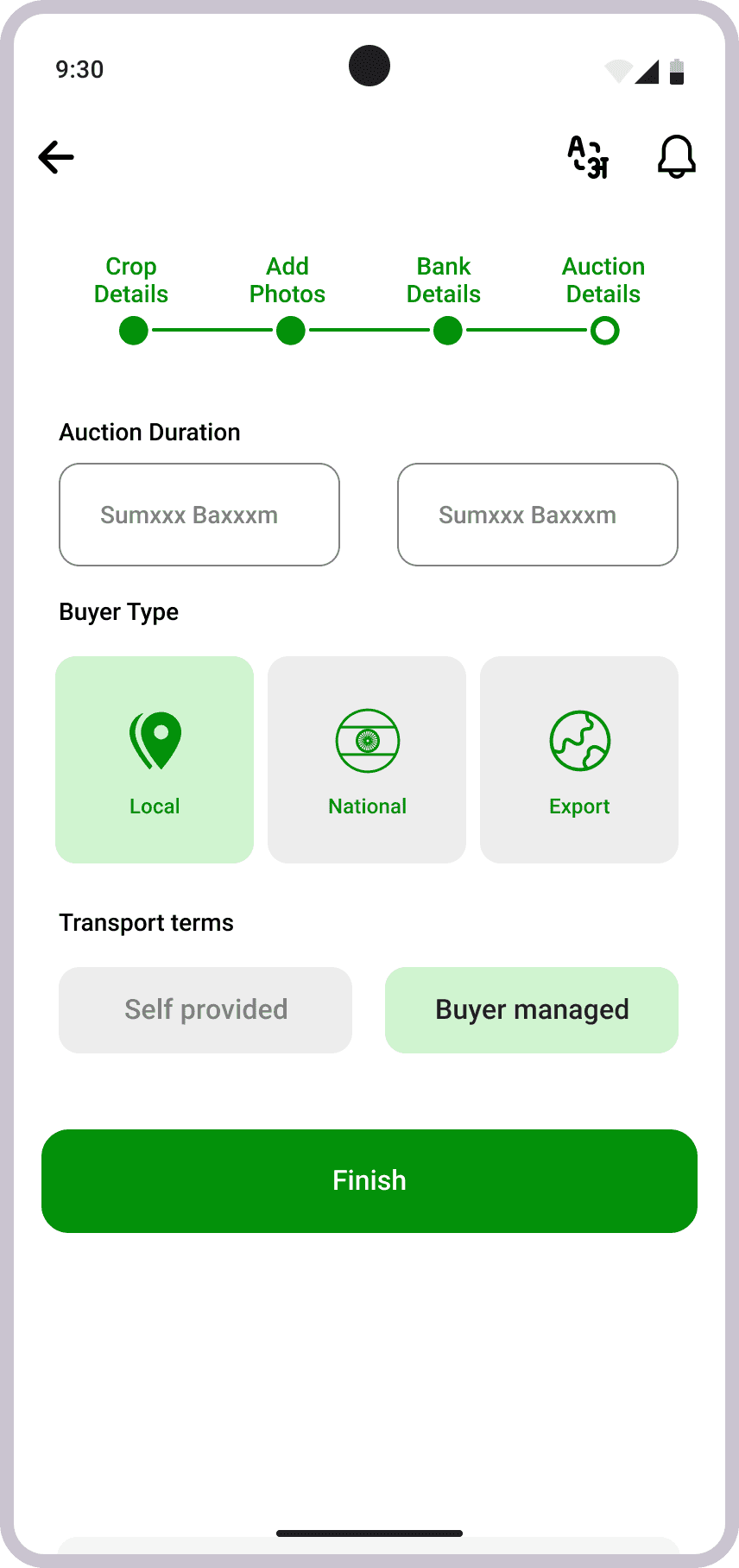
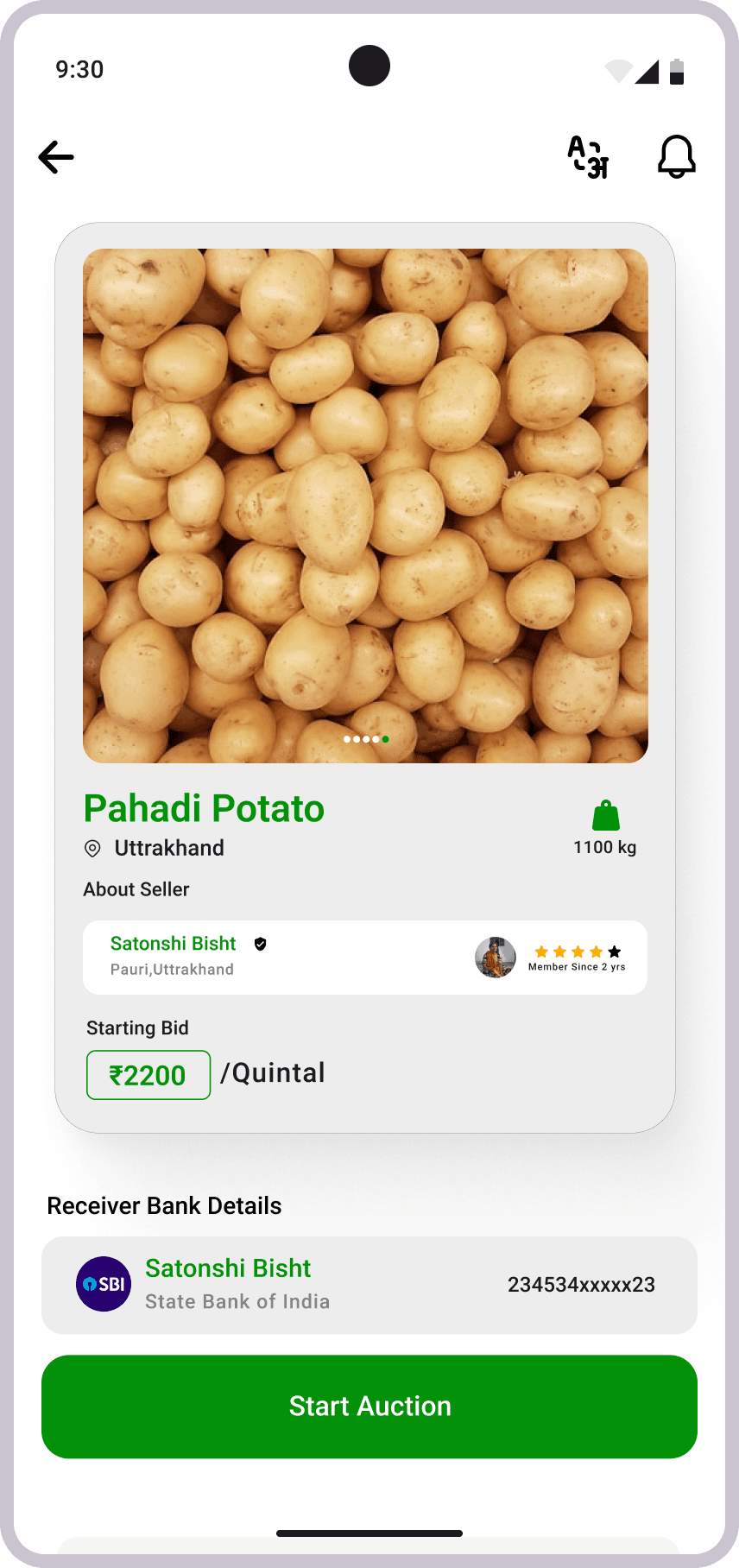
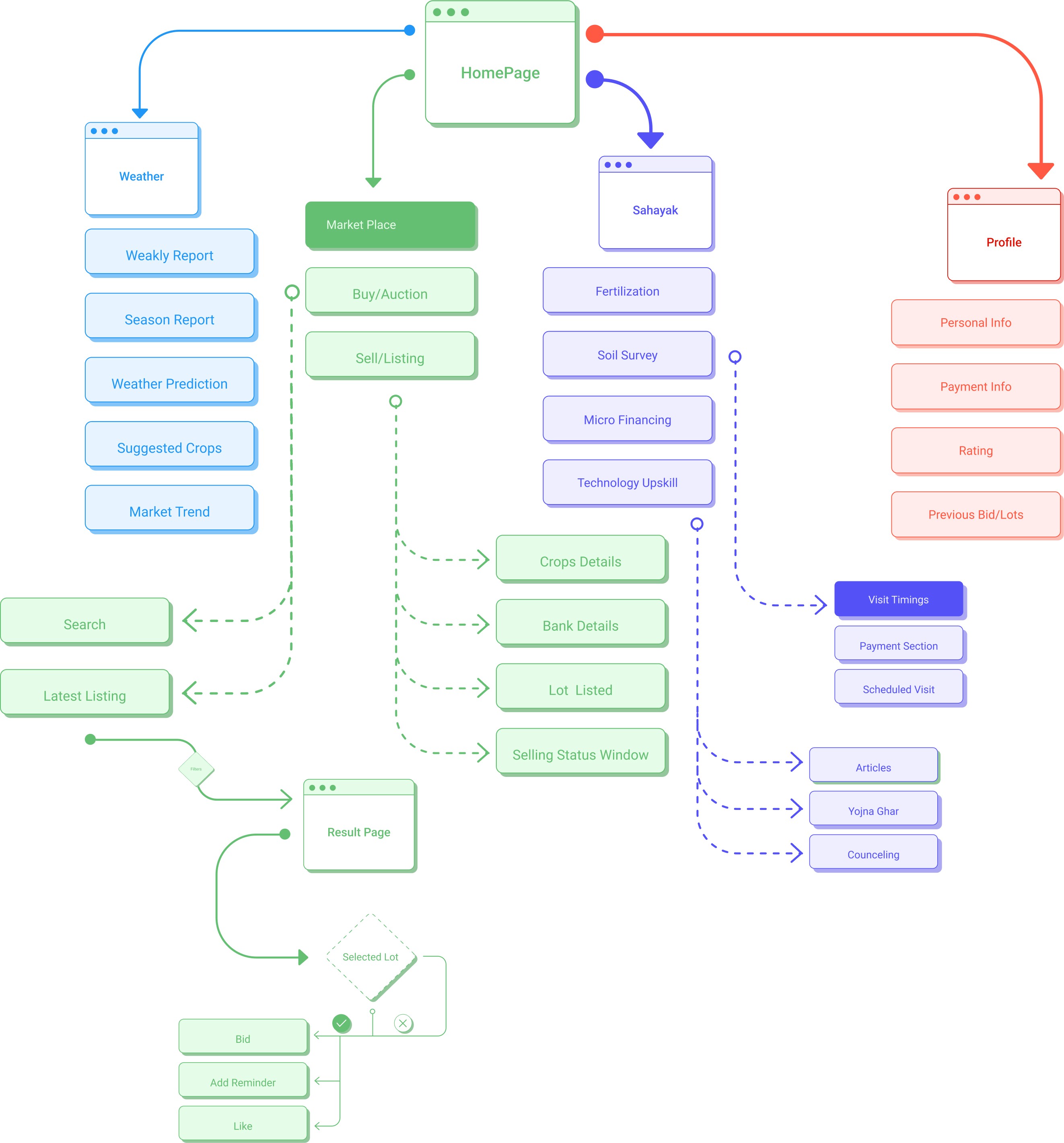
My design strategy was built around trust and simplicity. Aadhaar-based onboarding removed friction for users who didn’t have emails or bank-linked digital IDs. I broke the marketplace flow into four clear steps: List → Bid → Accept → Pay. This mirrored real mandi behavior but removed opacity. Weather and loans were added as independent decision layers—ensuring every farmer could make informed choices without navigating complexity.

DECIDING FACTORS

Aadhaar Onboarding

Simple, document-light entry using identity farmers already trust.

Bid-Based Crop Exchange

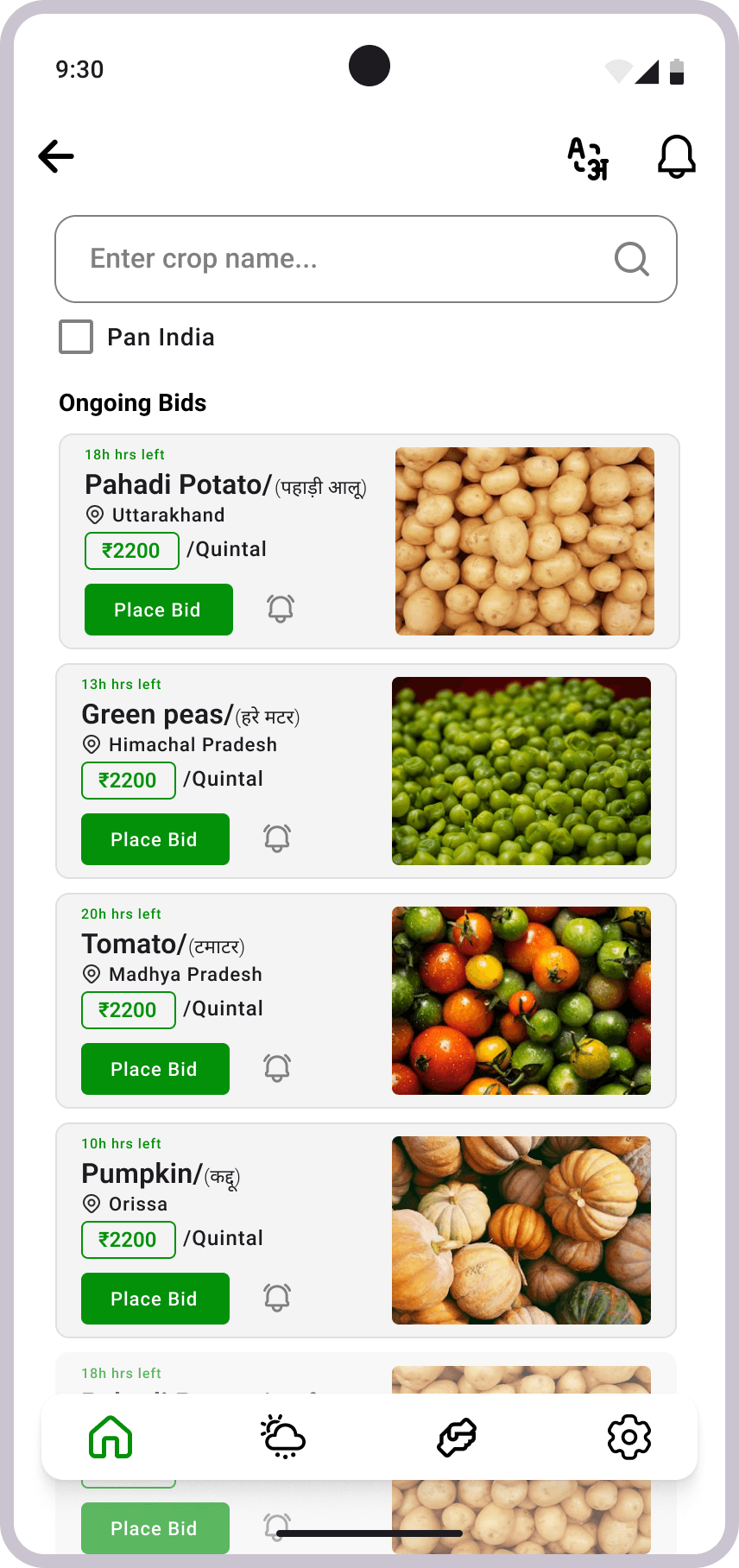
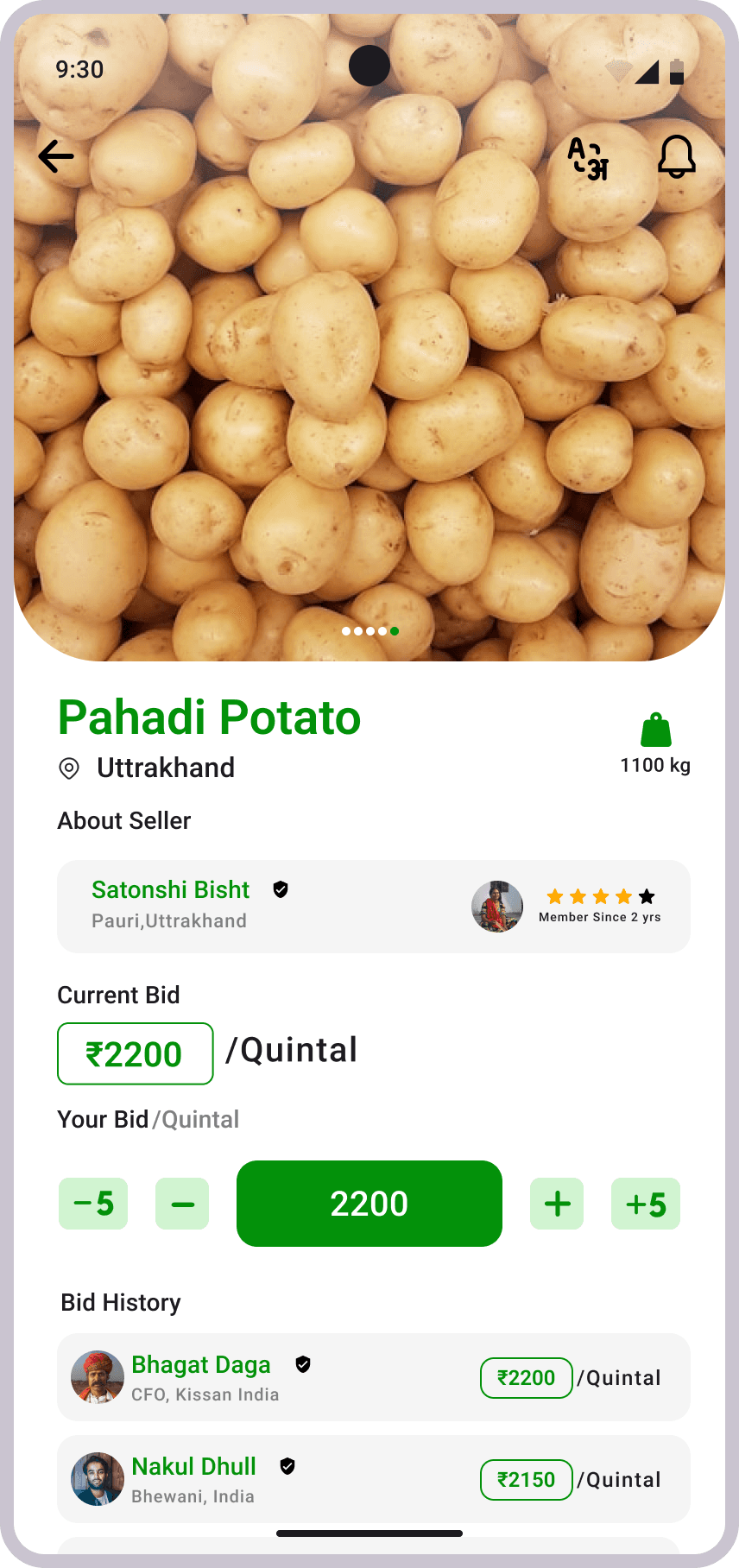
Transparent bidding so farmers see real offers in real time.

Unified Loan Engine

One input, multiple loan or grant options—built for clarity and confidence.

Designing

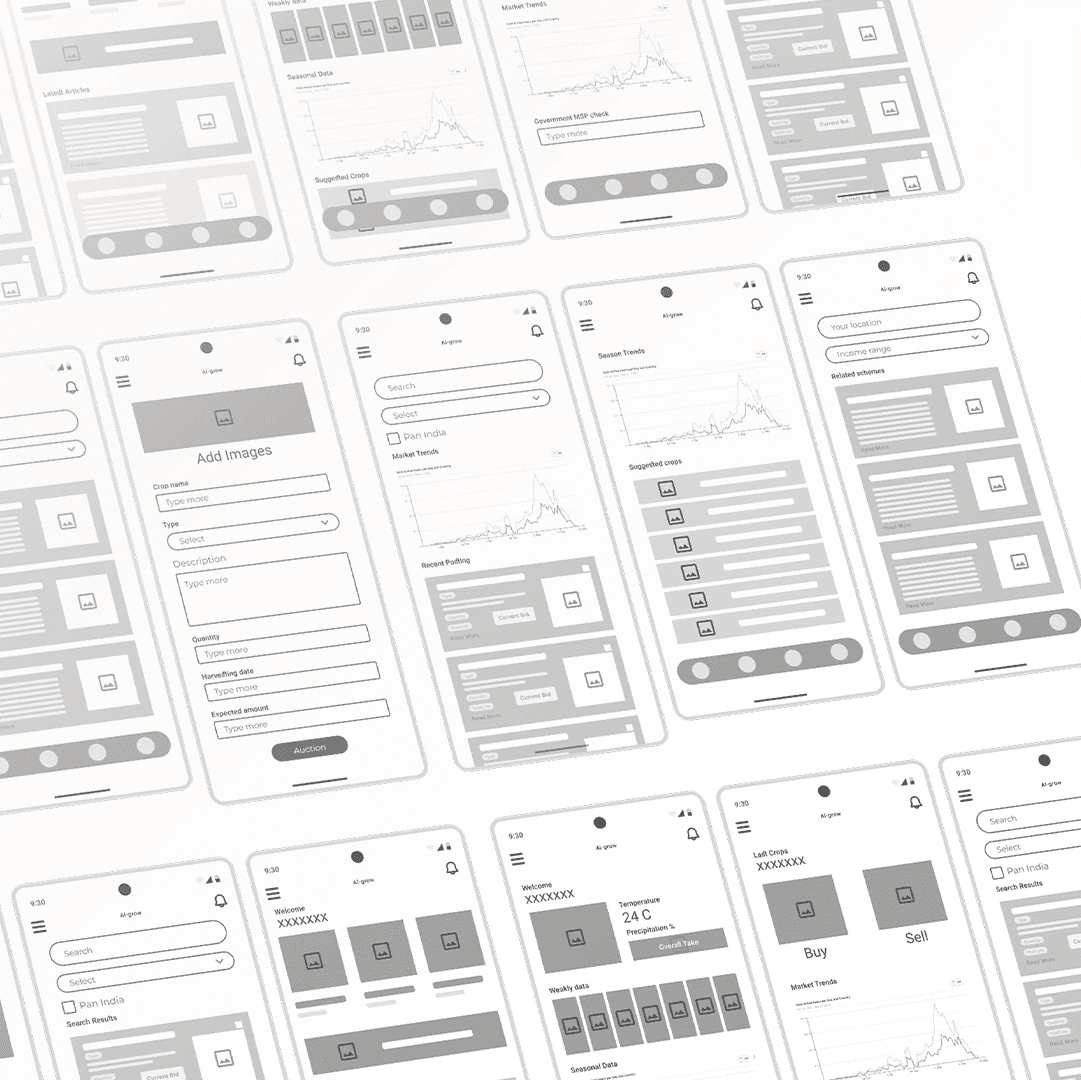
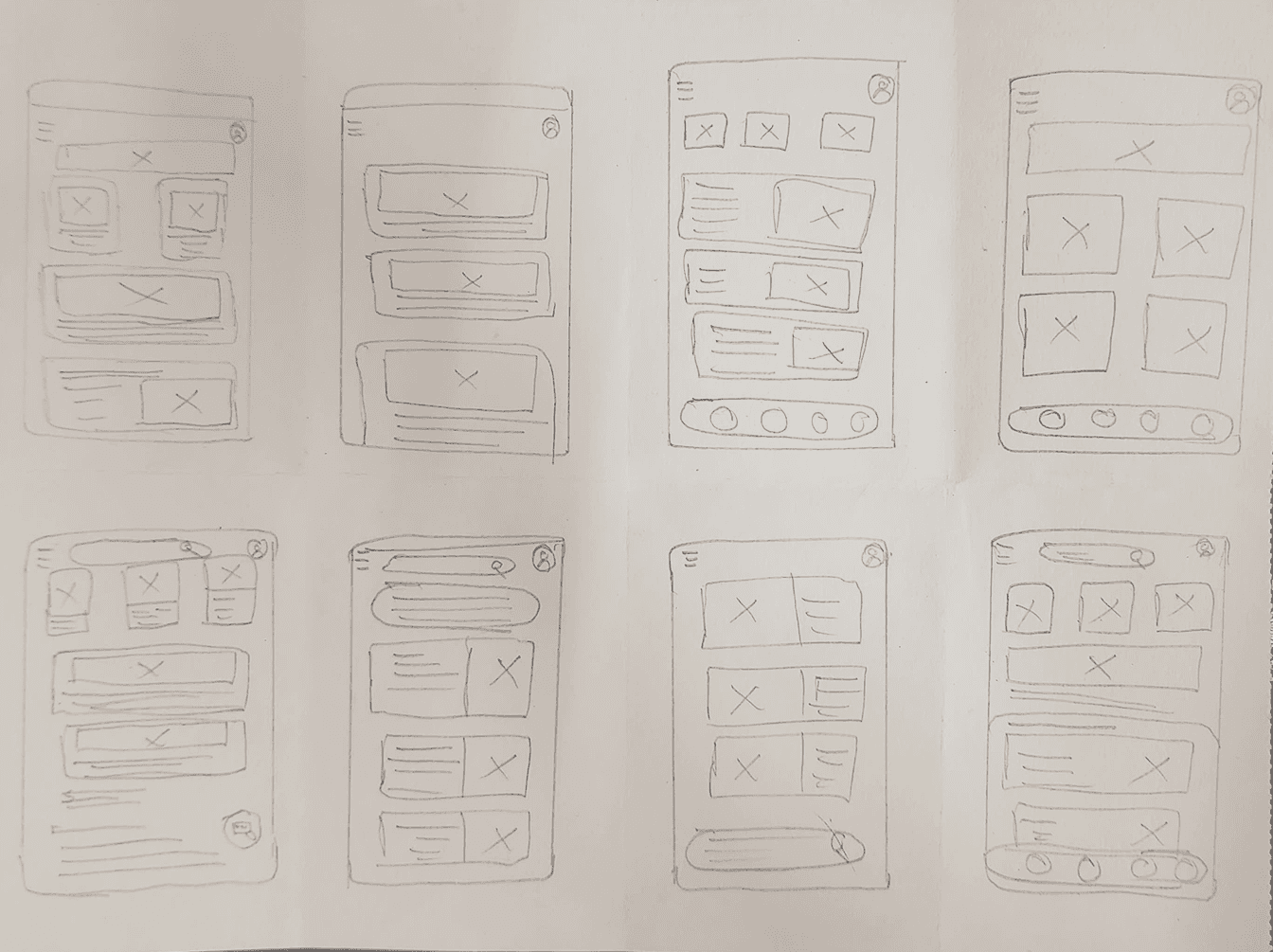
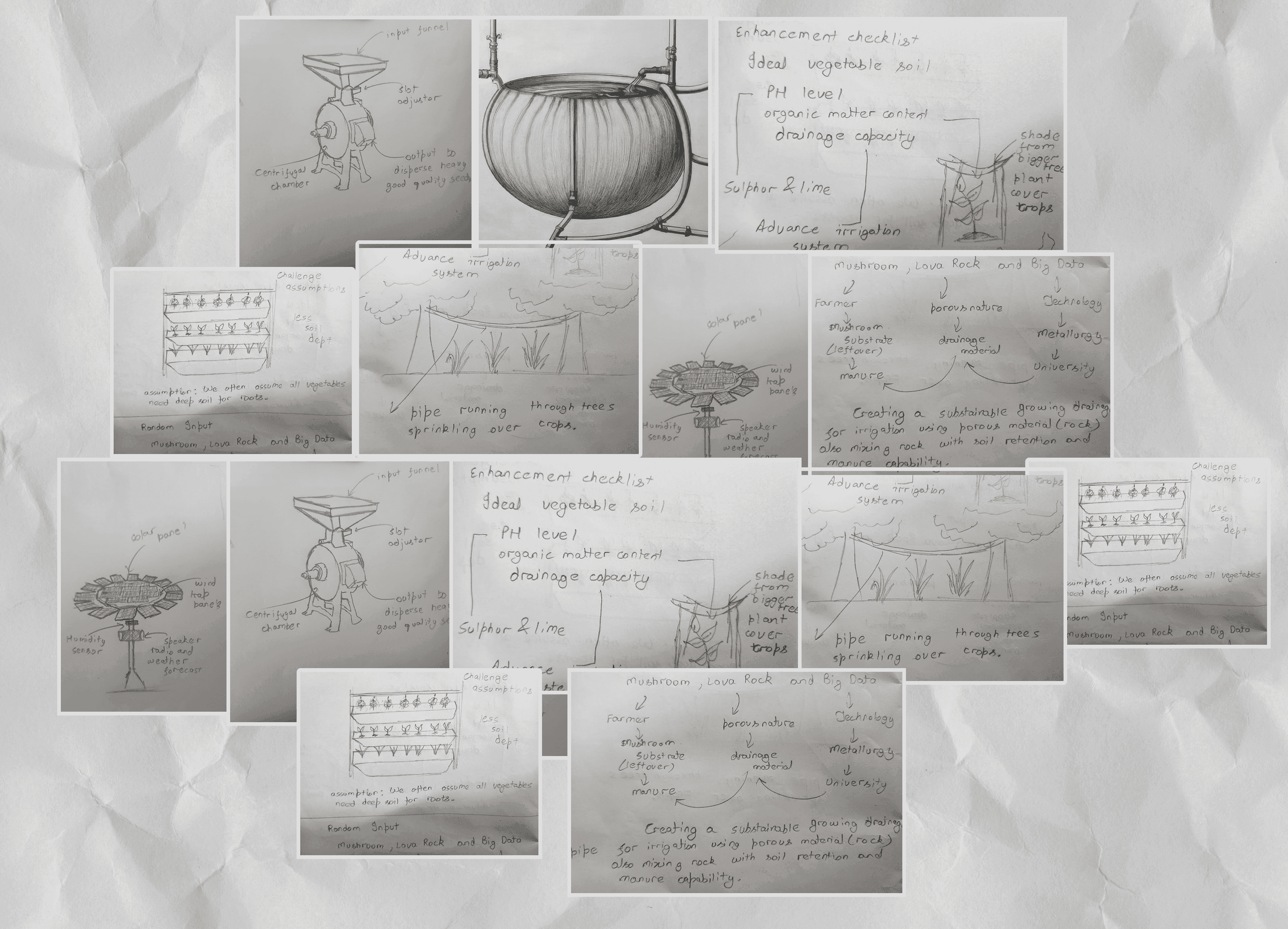
Early exploration used Crazy 8s, affinity mapping, and rapid paper prototypes to surface contradictions between farmer practices and digital patterns. I sketched 40+ ideas, clustered them into trust, finance, and logistics themes, and iterated into mid-fi wireframes. Each iteration asked: does this reduce risk, add clarity, or confuse? The answer guided which features survived into the hi-fi prototype.
01

Crazy 8

02

Brainstorming

03

Mind Map

04

Lo-Fi Wireframe

Flows

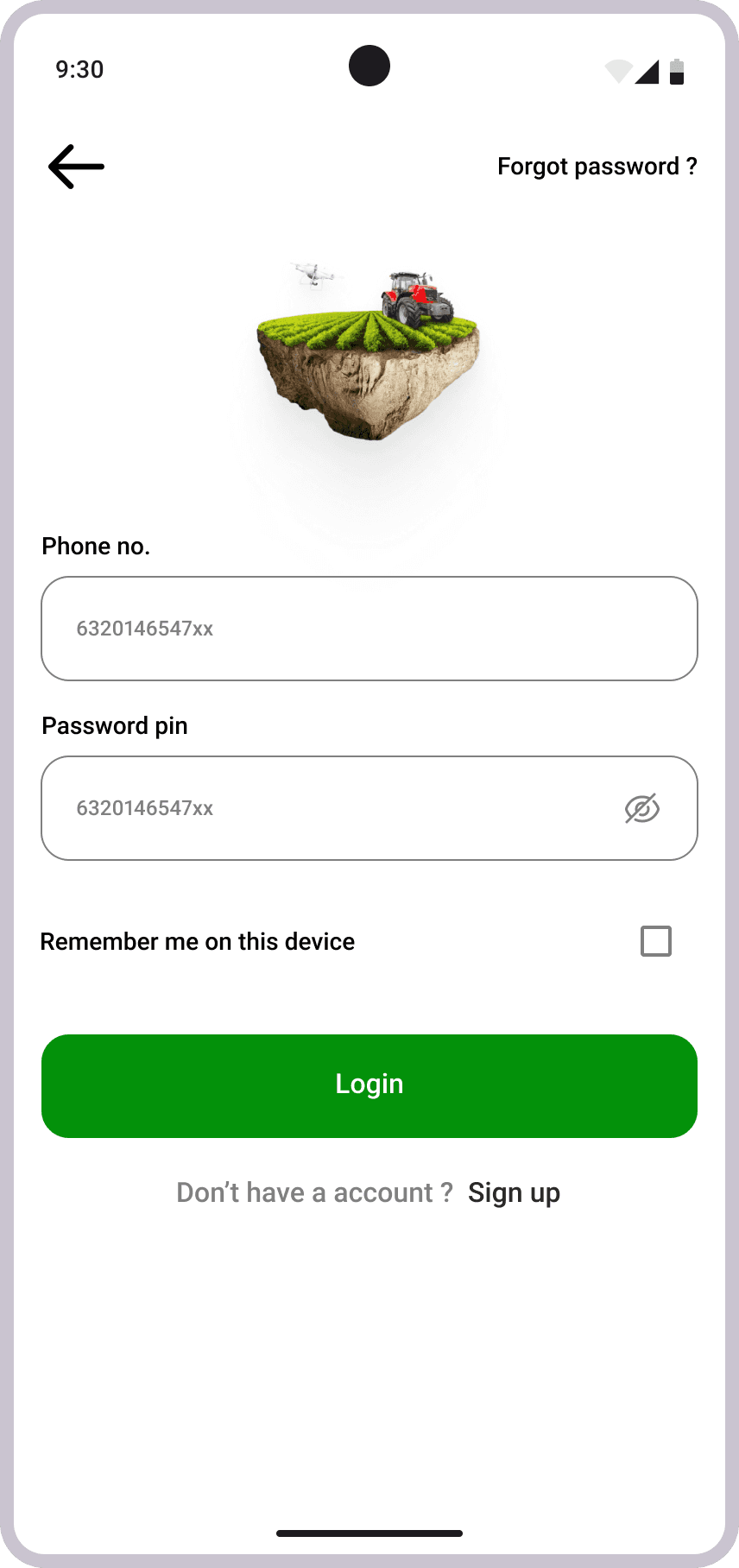
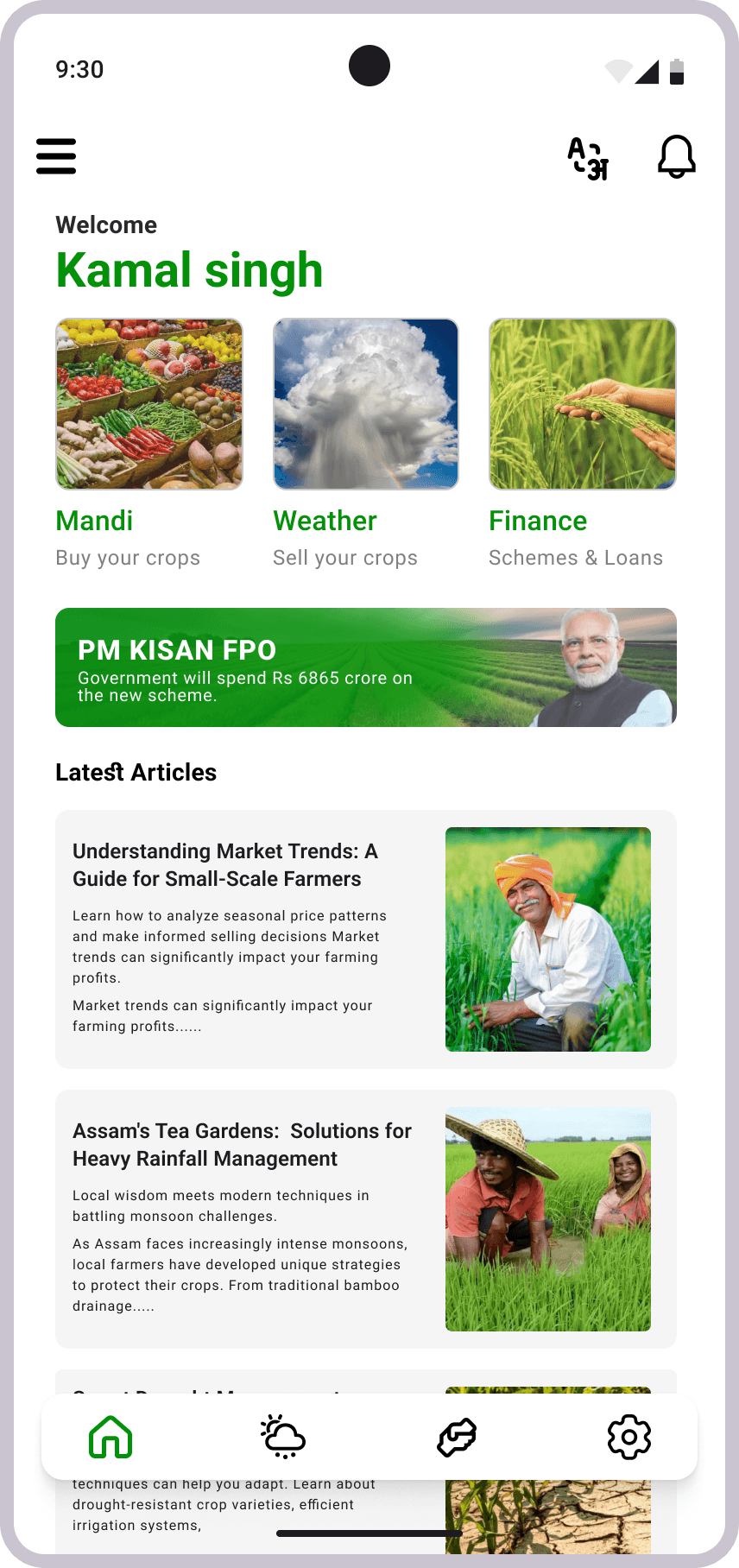
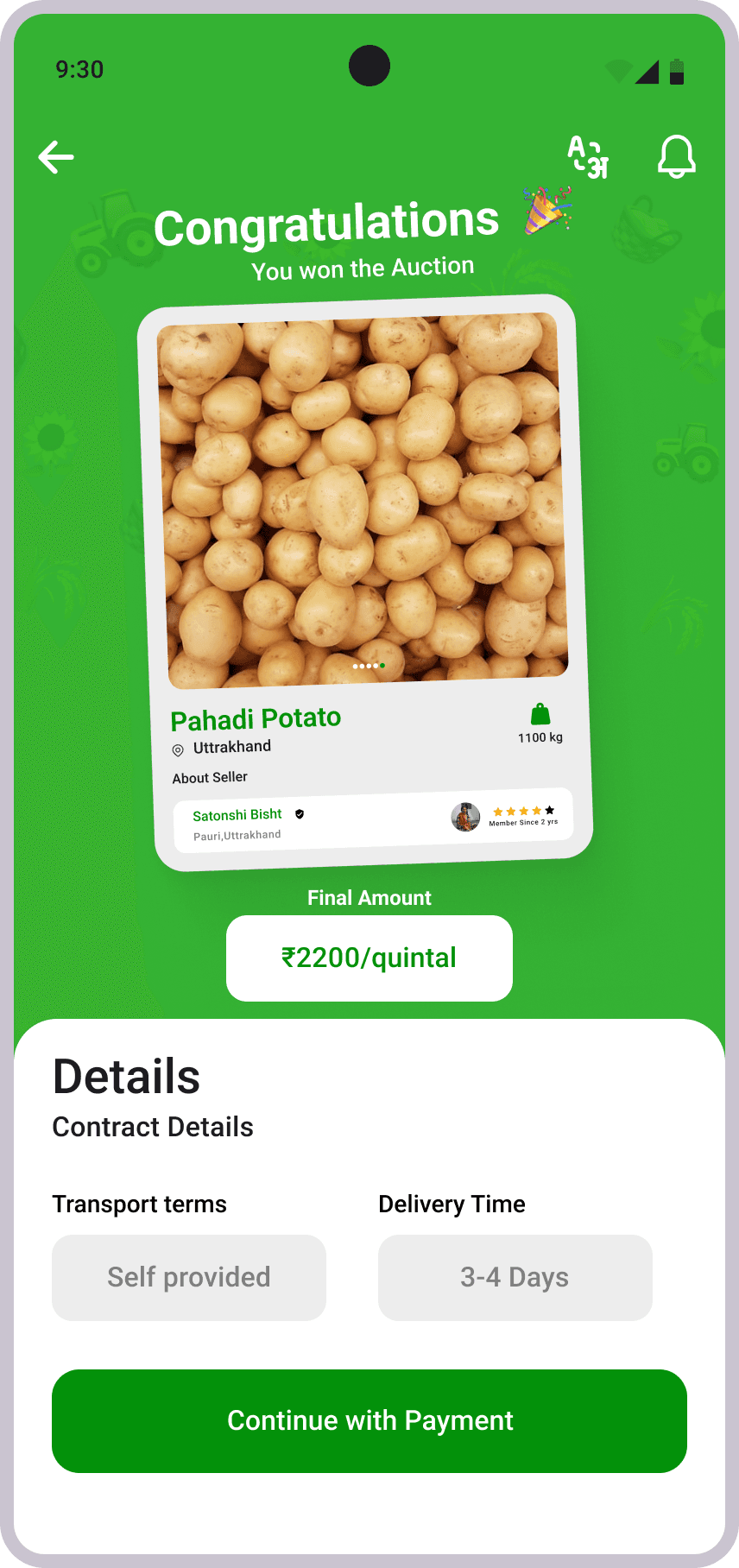
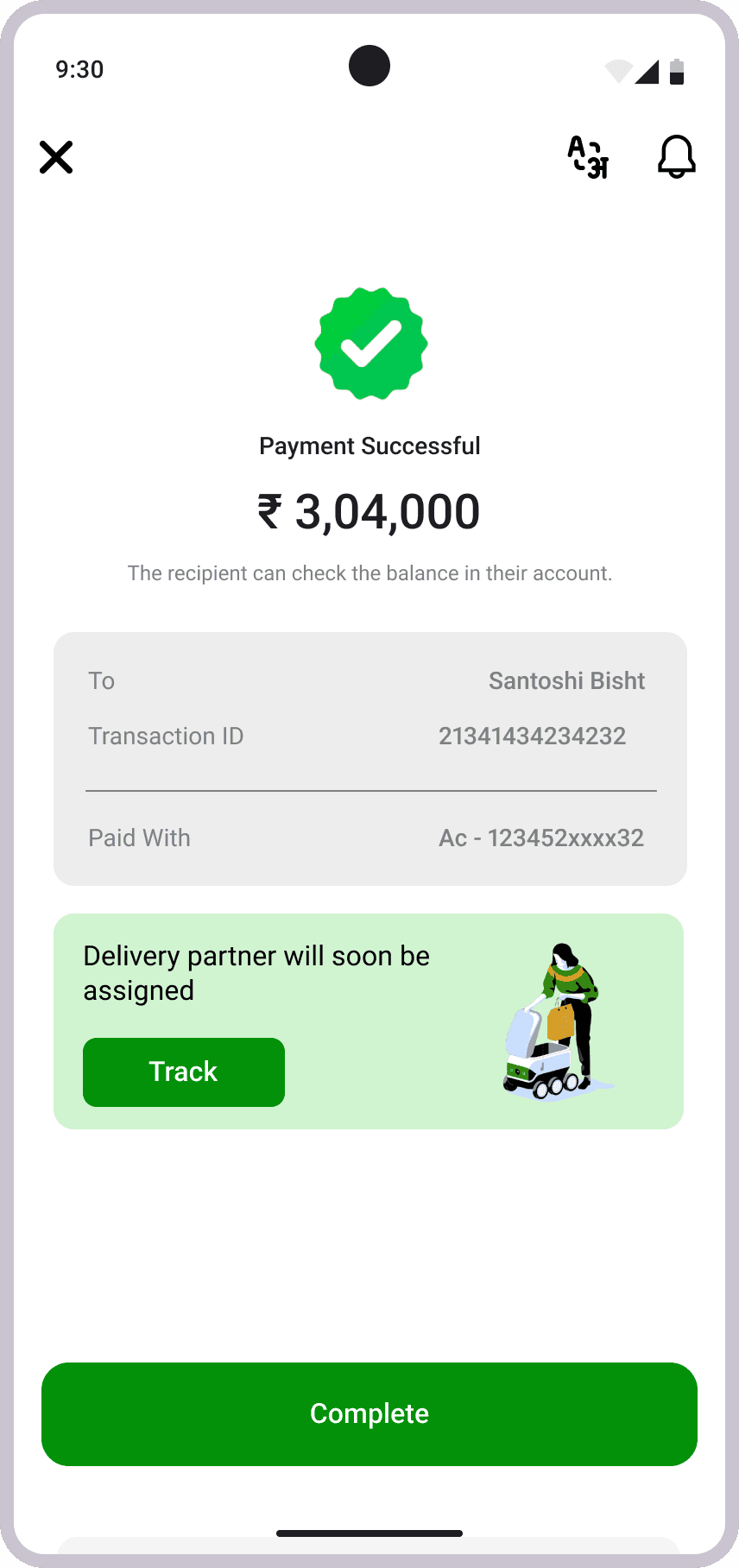
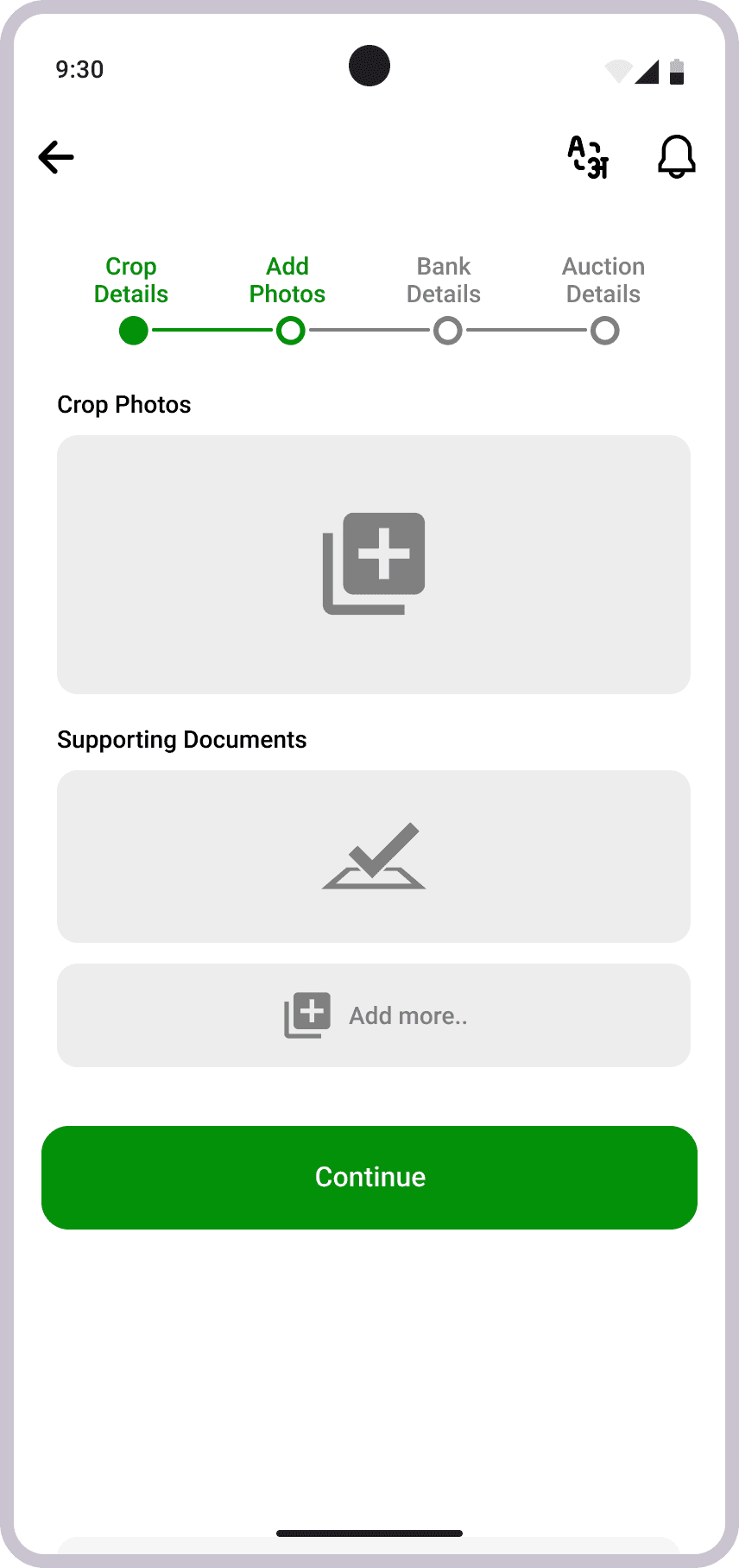
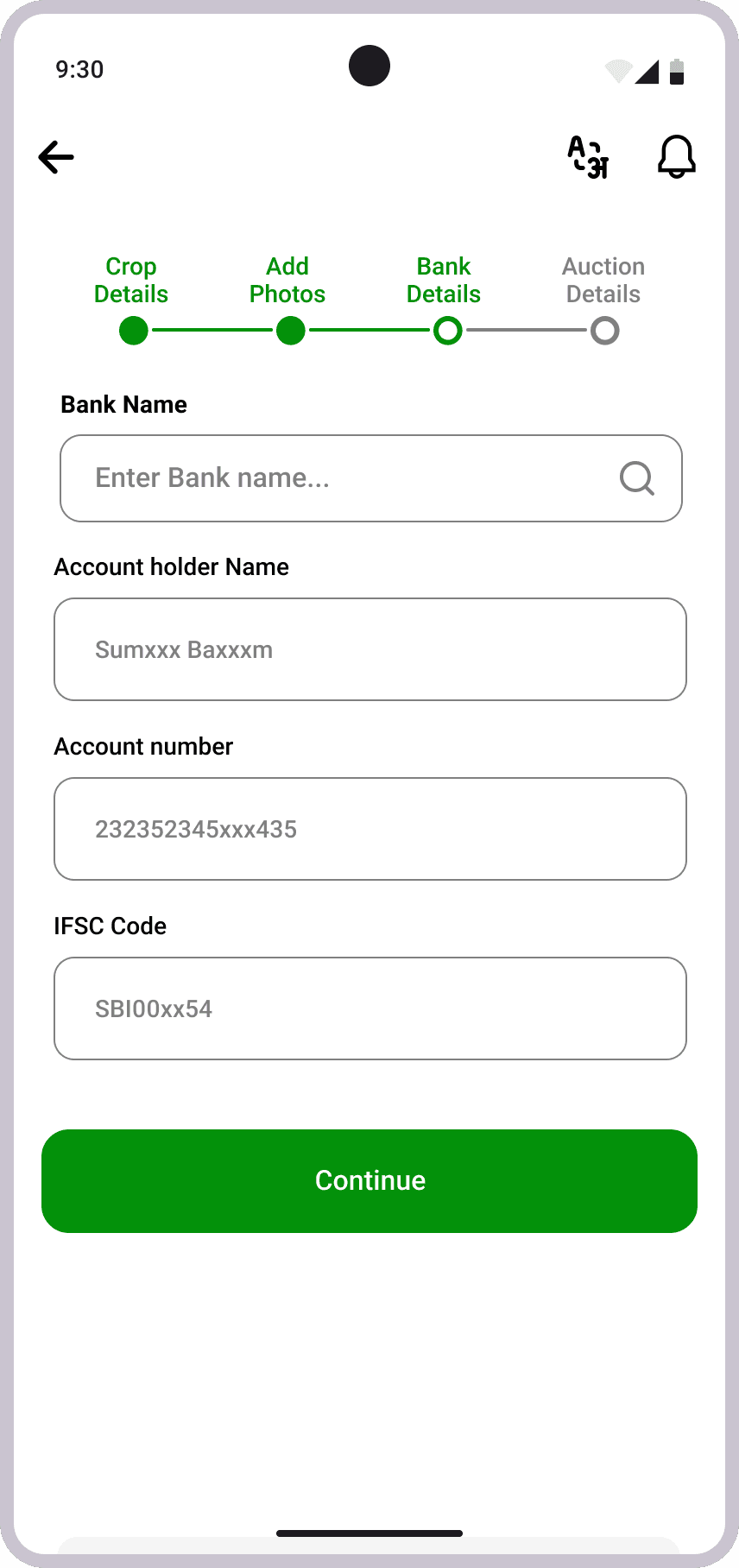
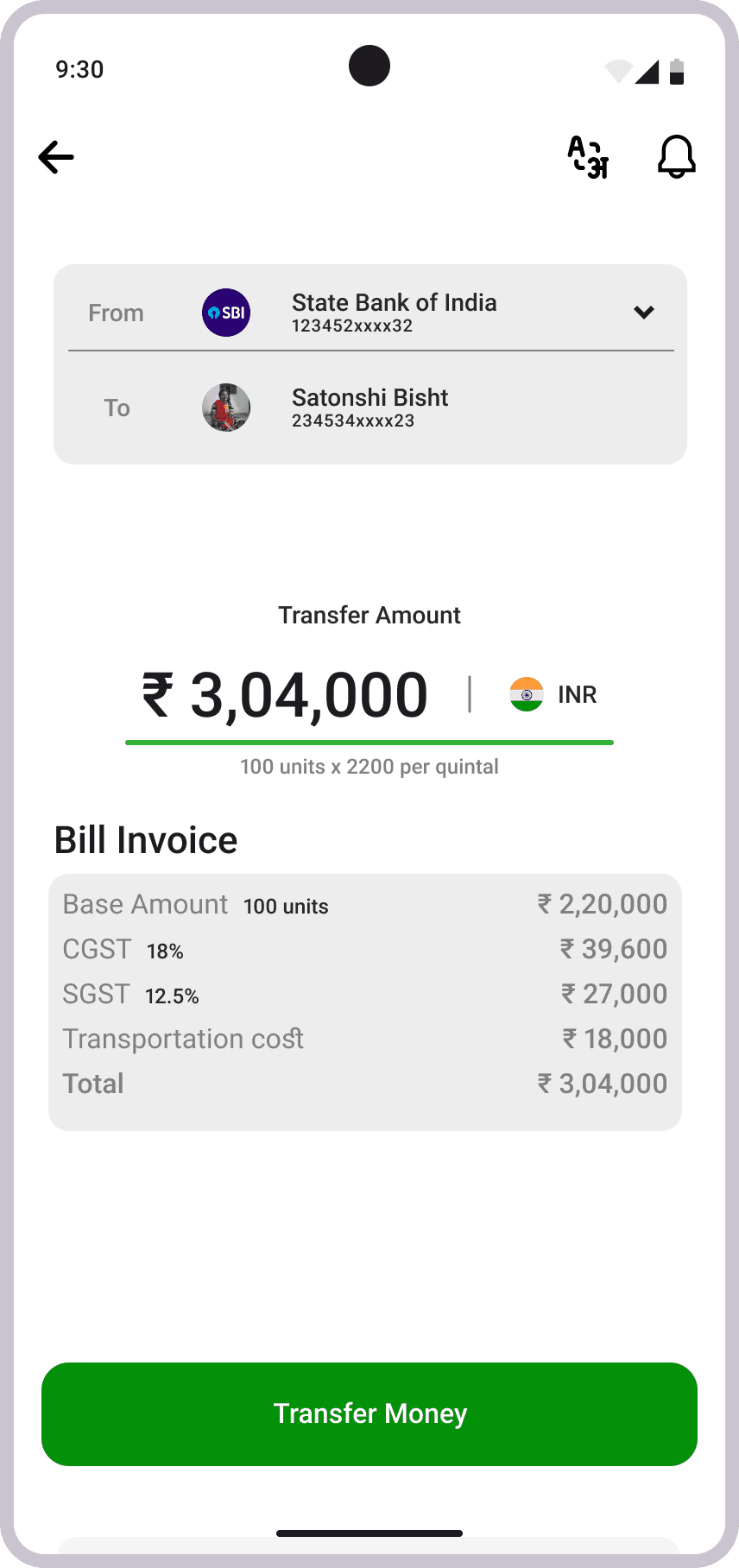
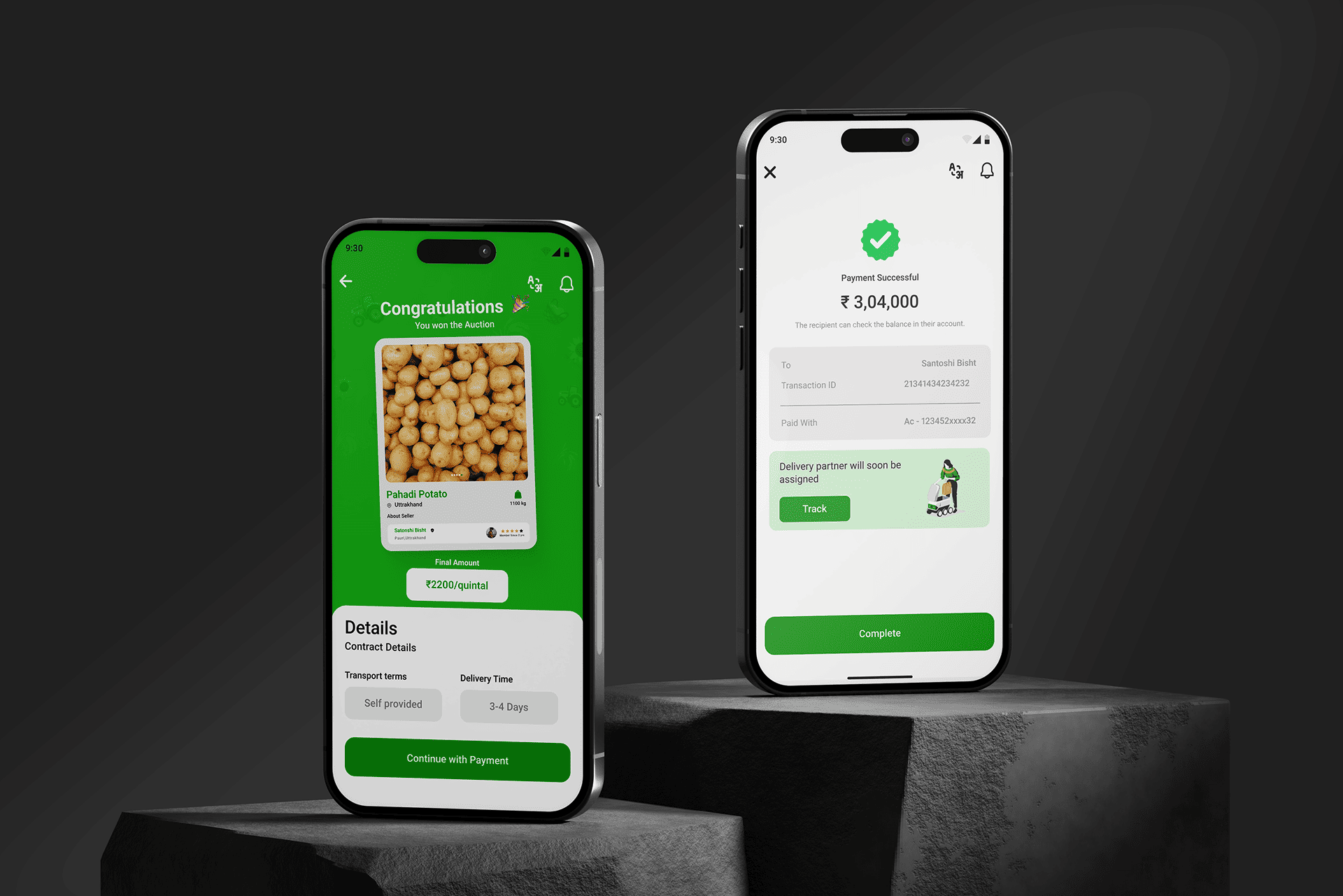
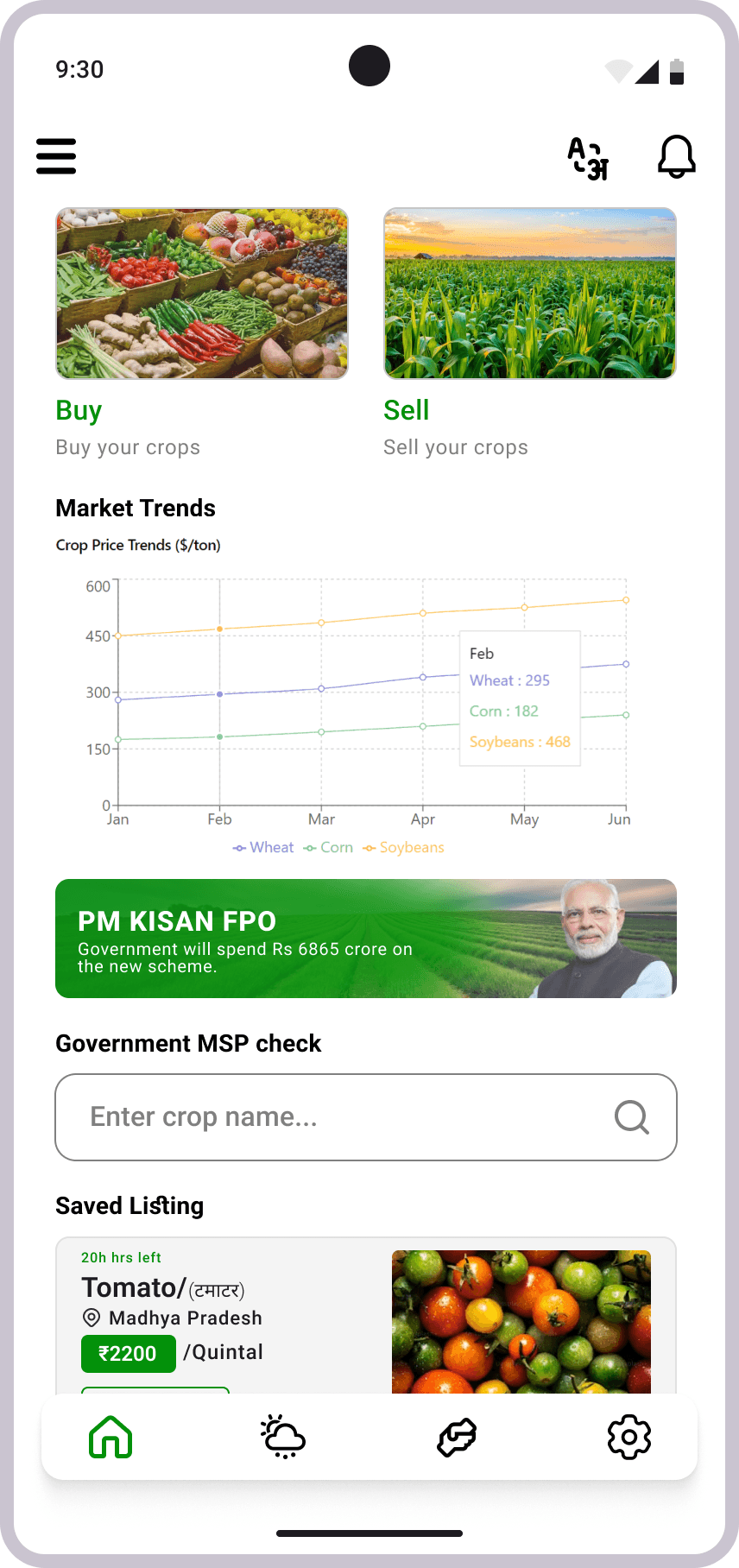
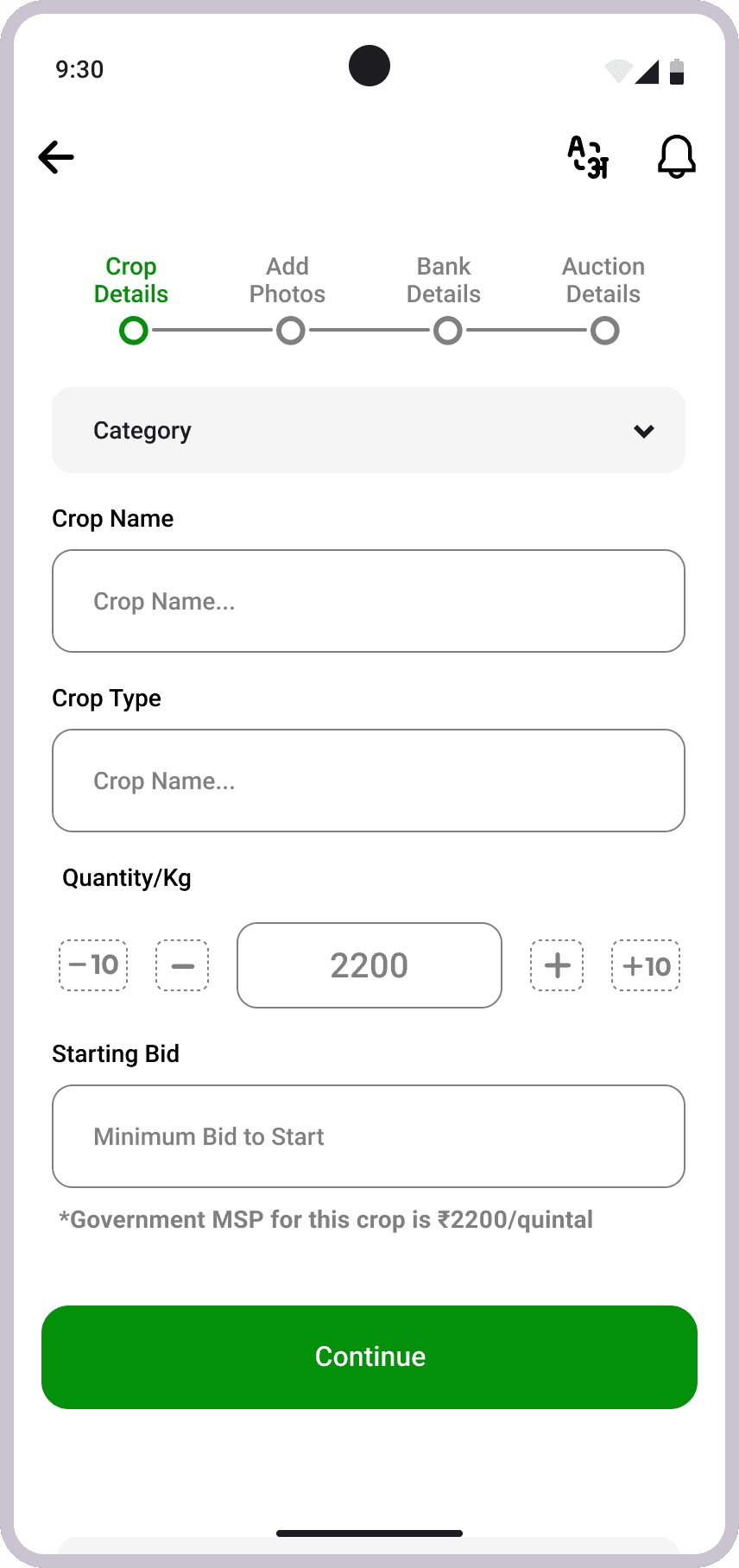
Algrow’s flows connect in a tight loop: Onboard → List → Auction → Fulfil. Onboarding uses Aadhaar + phone validation to remove email barriers; listing asks only essential crop details and a photo; auction shows live bids and a confidence meter, and fulfilment coordinates pickup and bank transfer. Each flow was tuned through field feedback to be completed within a few screens and under two minutes, ensuring adoption and repeat usage.

Onboarding

Buying Crops

Selling Crop

Additional Screens

Onboarding

FLOW

Buying Crops

FLOW
Selling Crop

FLOW
Additional Screens

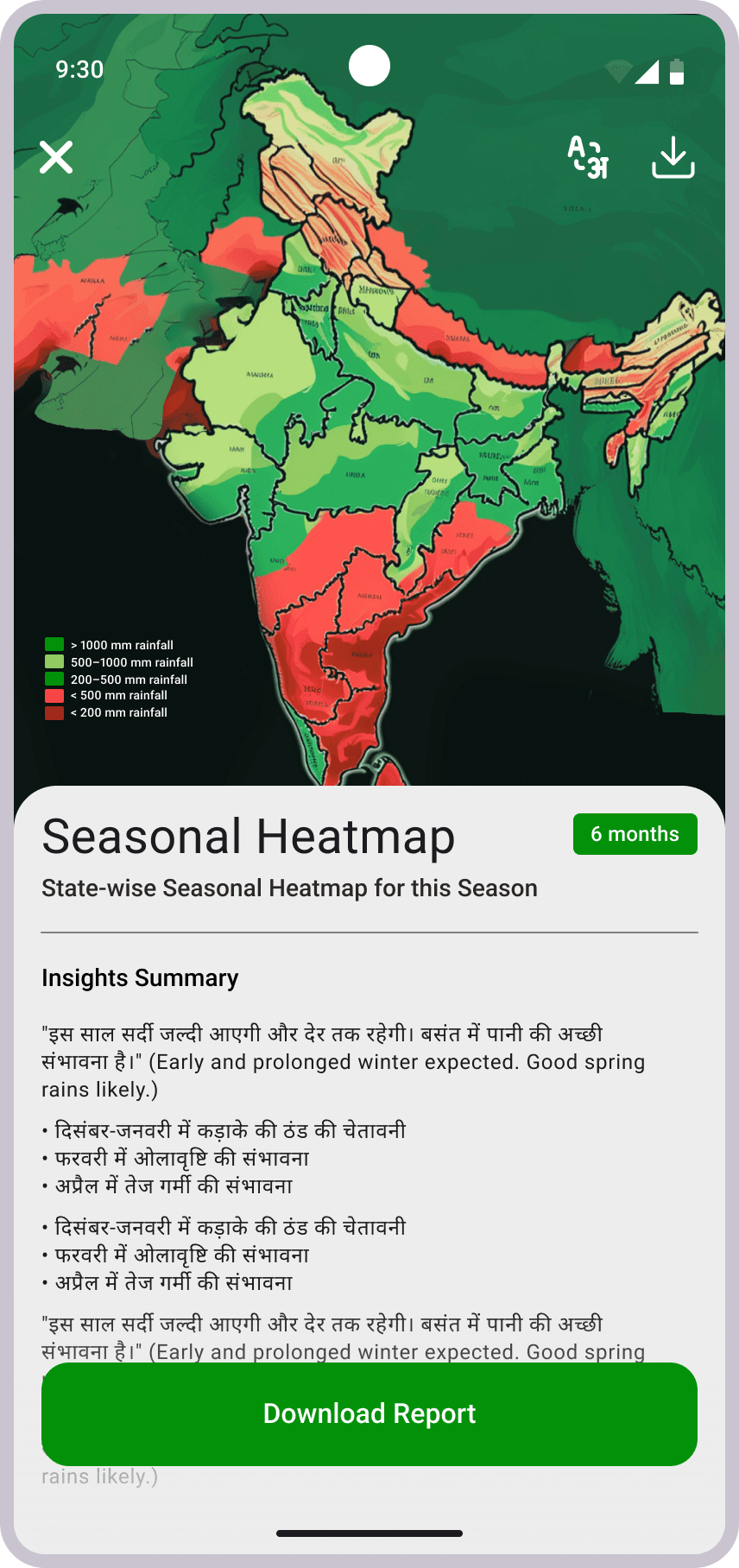
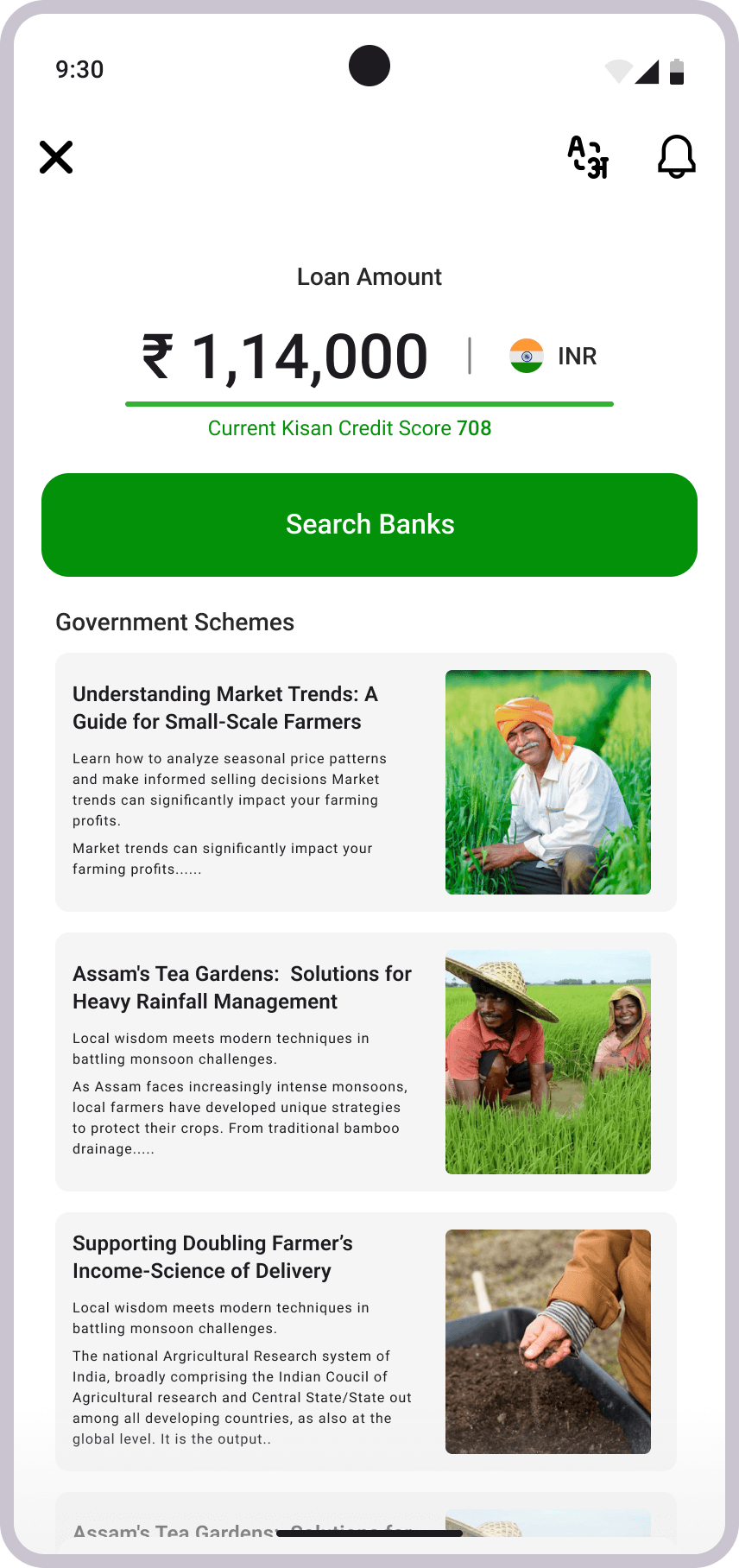
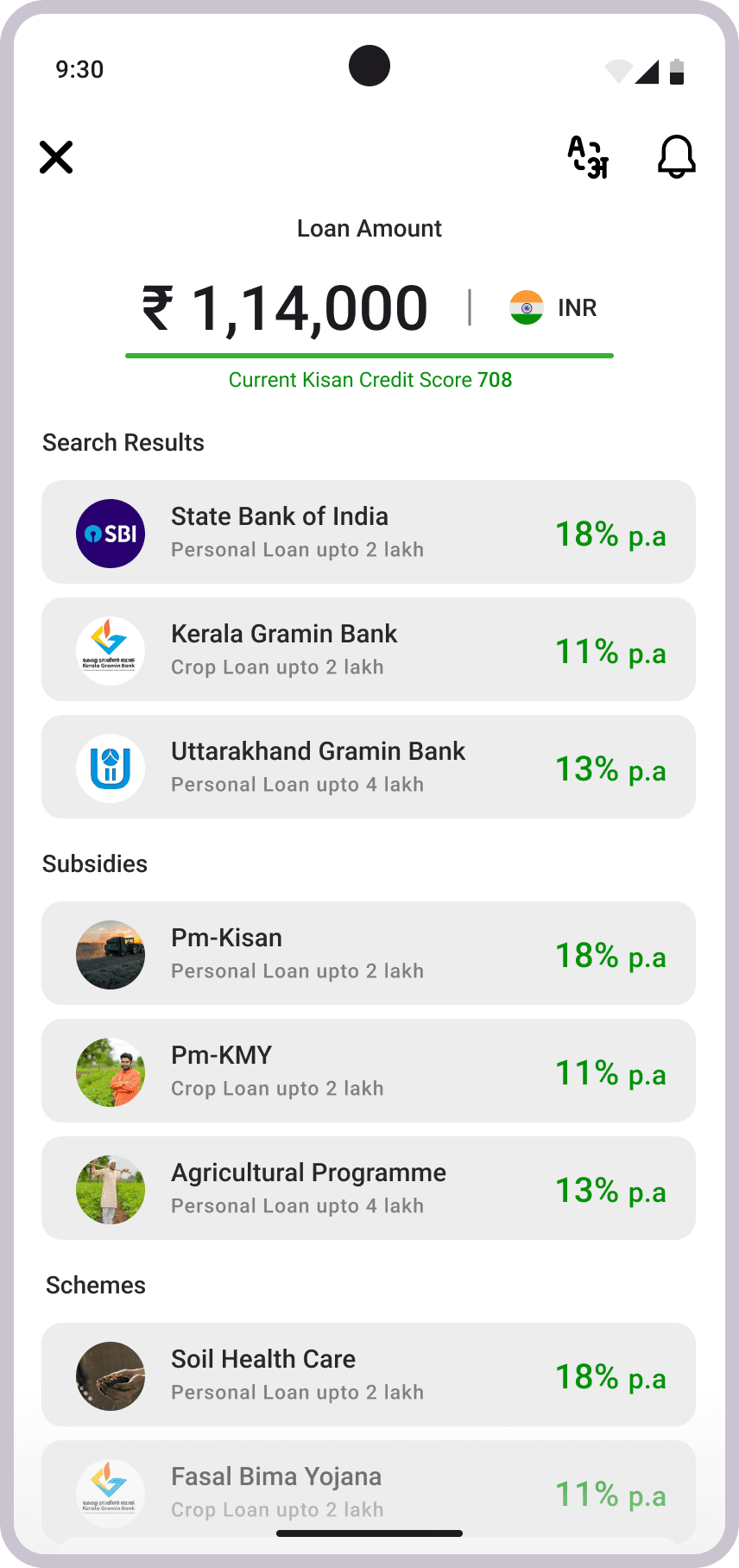
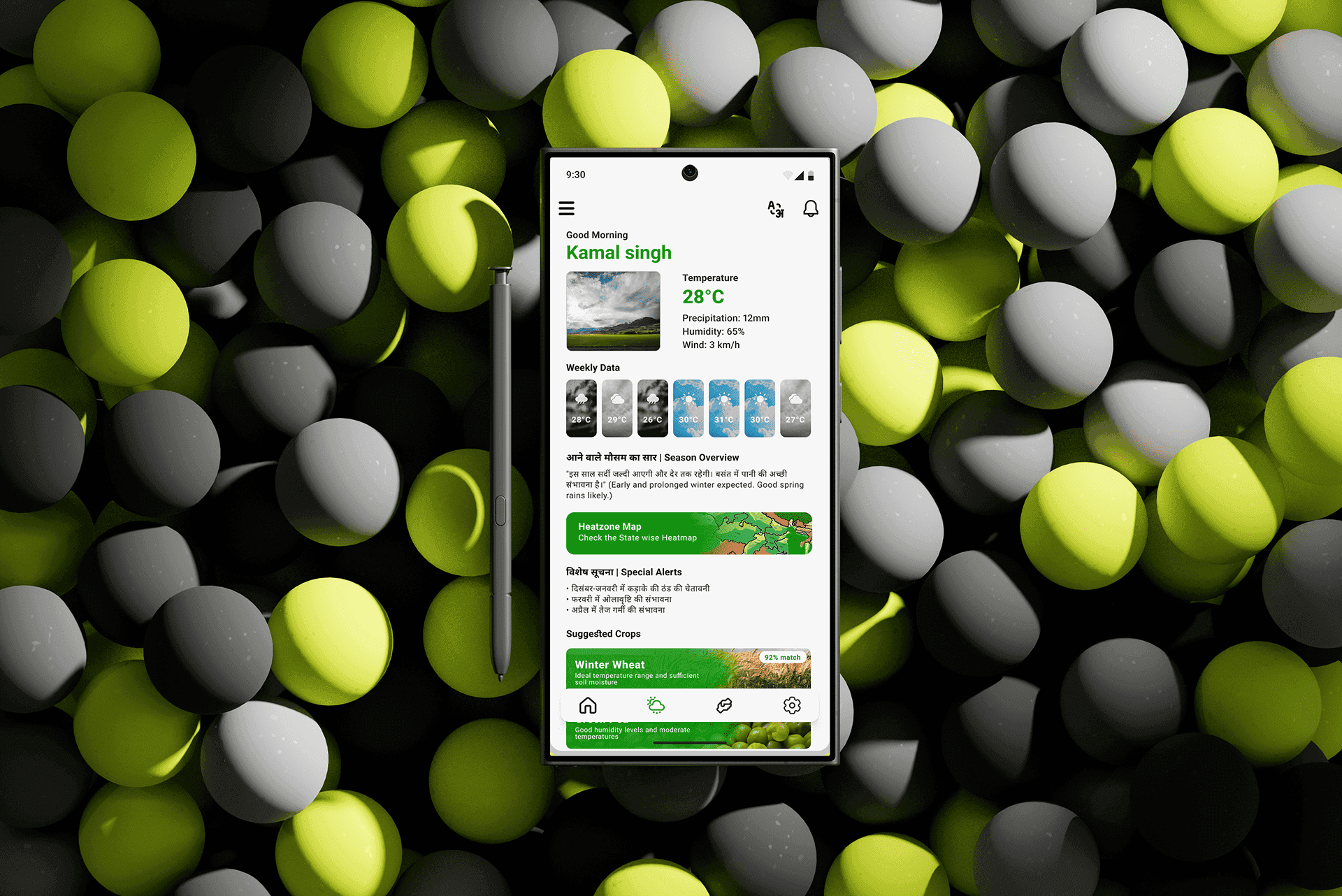
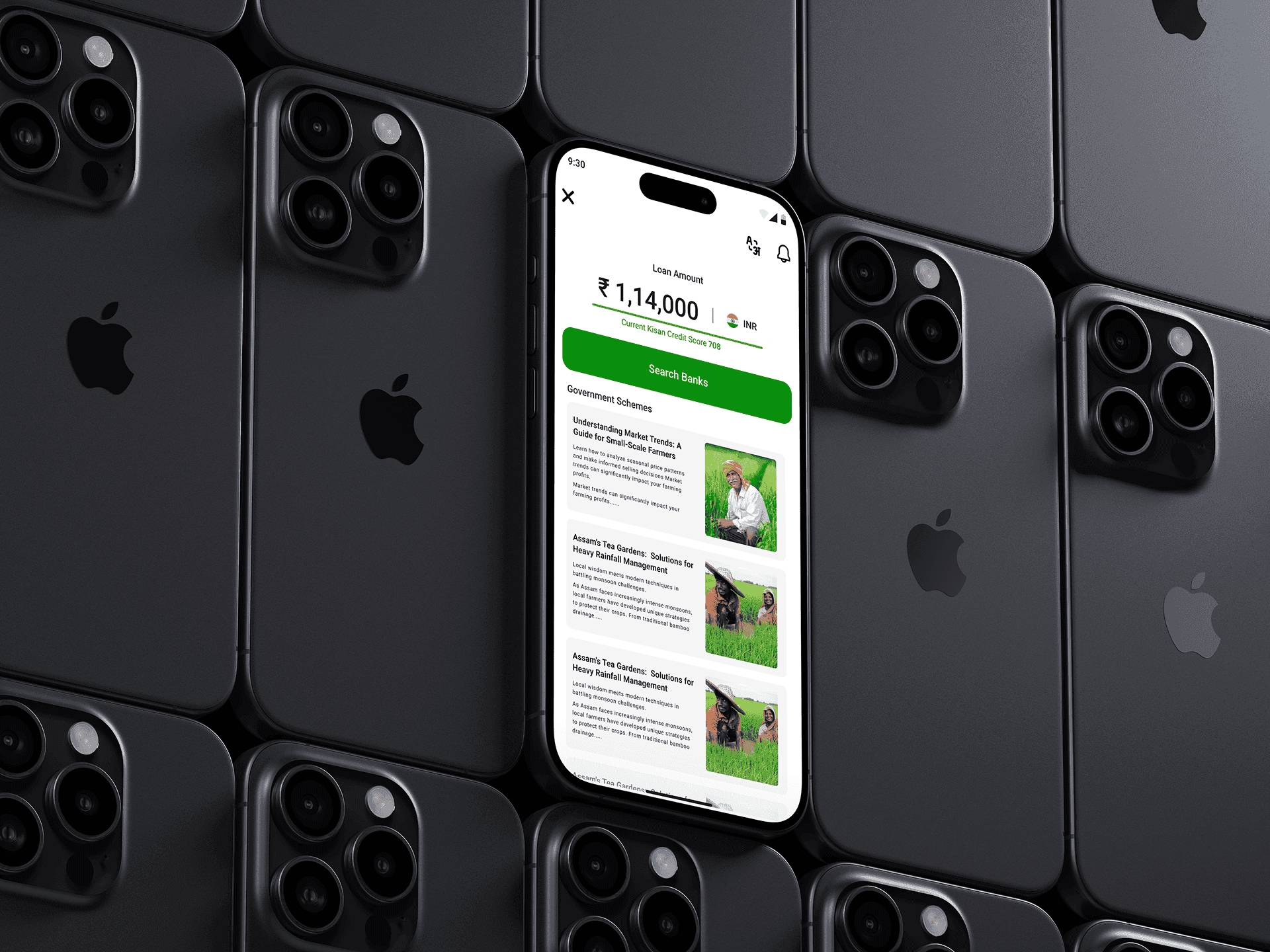
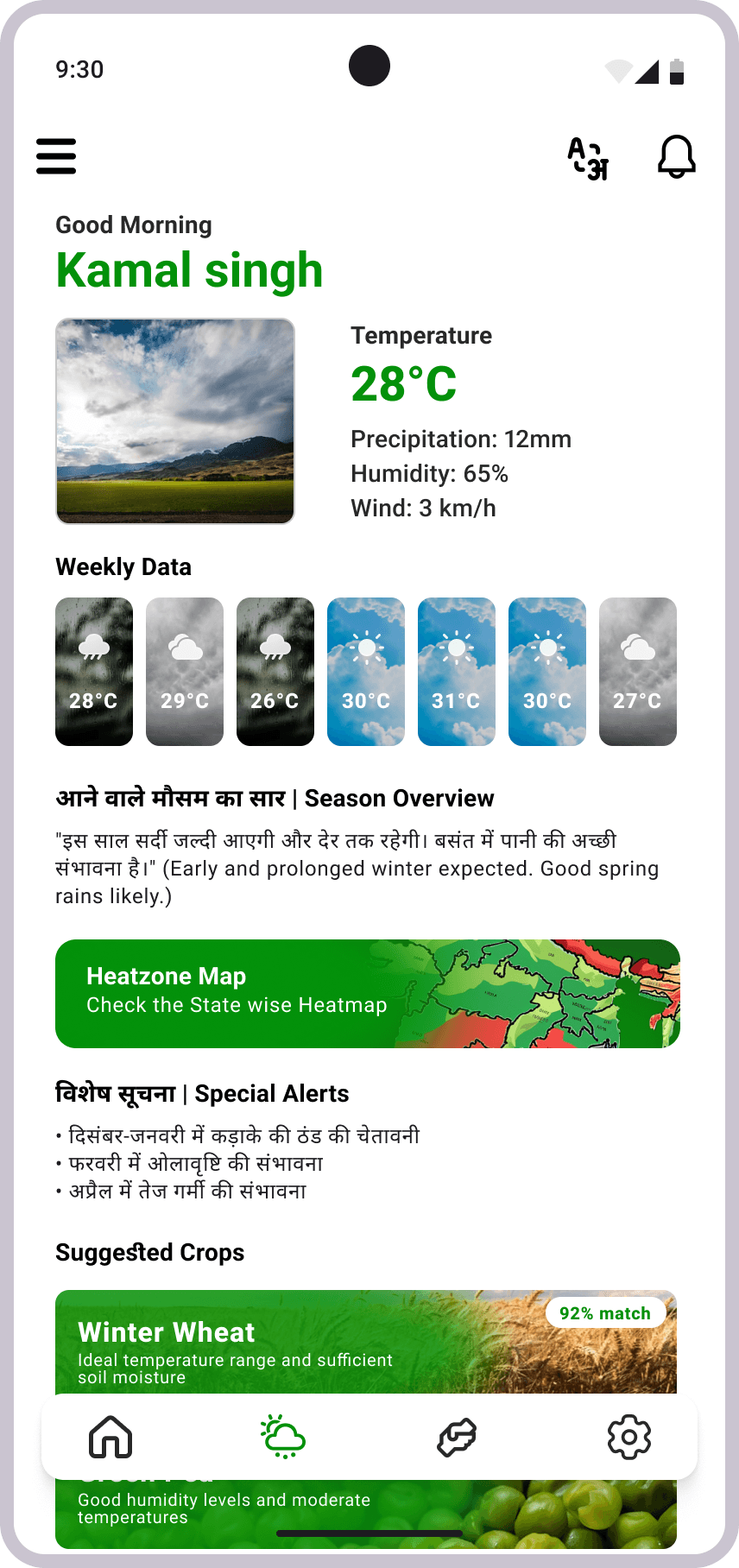
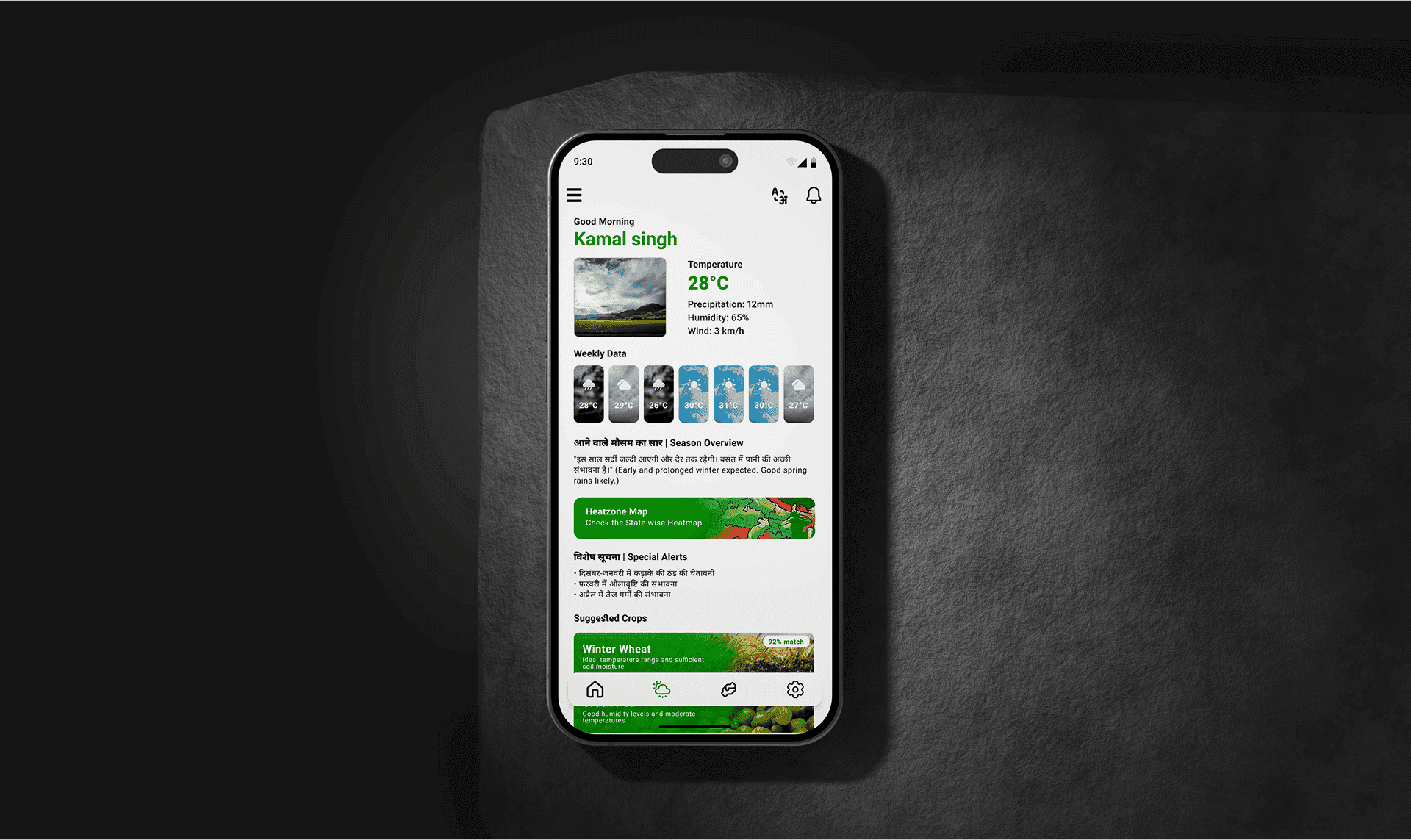
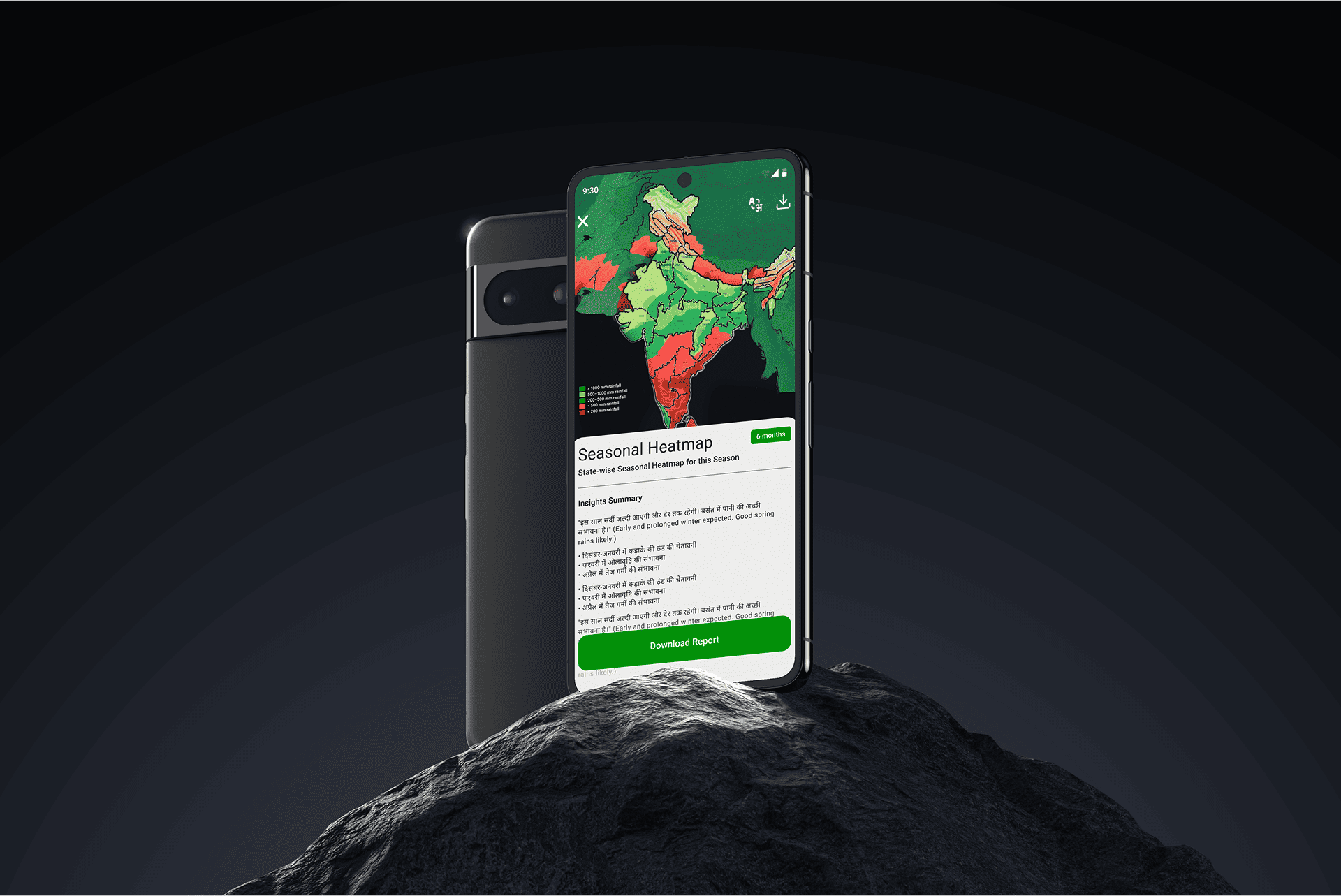
The final walkthrough unites Algrow’s ecosystem—farmers can view live bids, access seasonal forecasts built from oceanic and air-current data, and explore the Sahayak Loan Engine that compares schemes, banks, and grants instantly. Designed for clarity and confidence, it seamlessly connects forecast, finance, and field action.

Impact & Learnings

The prototype produced a clear hypothesis: direct auctions + transparent loans + localized advisories can shift bargaining power toward farmers. I delivered 20+ screens and validated core usability assumptions; while metrics are projected (25–30% potential uplift), the real gain is in the behavioral shift—farmers saying they’d try a tool that feels trustworthy and fast.

Visual direction explorations

Designing Algrow taught me that simplicity is an act of compassion—and that trust must be engineered, not assumed. The hardest tradeoffs were removing features that added complexity but little trust. Next steps: field pilots, vernacular A/B tests, and integration with existing government registries to scale impact.
Thanks for Reading

Thanks for Reading

Create a free website with Framer, the website builder loved by startups, designers and agencies.